While India is the world’s largest producer of pomegranates, the European market has historically been dominated by Turkey and Spain. However, this is changing rapidly. With the "China Plus One" strategy extending to food sourcing and climate change affecting European yields, buyers in the Netherlands, Germany, and the UK are increasingly turning to India for the Bhagwa variety.
Indian pomegranate exports are projected to cross 75,000 Metric Tonnes in the 2024-25 season. But Europe is not an easy market; it requires surgical precision in quality and compliance. This guide covers the entire roadmap.
1. Market Intelligence: What Does Europe Want?
Unlike the Middle East, which buys various grades, Europe buys only Premium Grade fruit.
The Variety: Europe exclusively demands the Bhagwa variety.
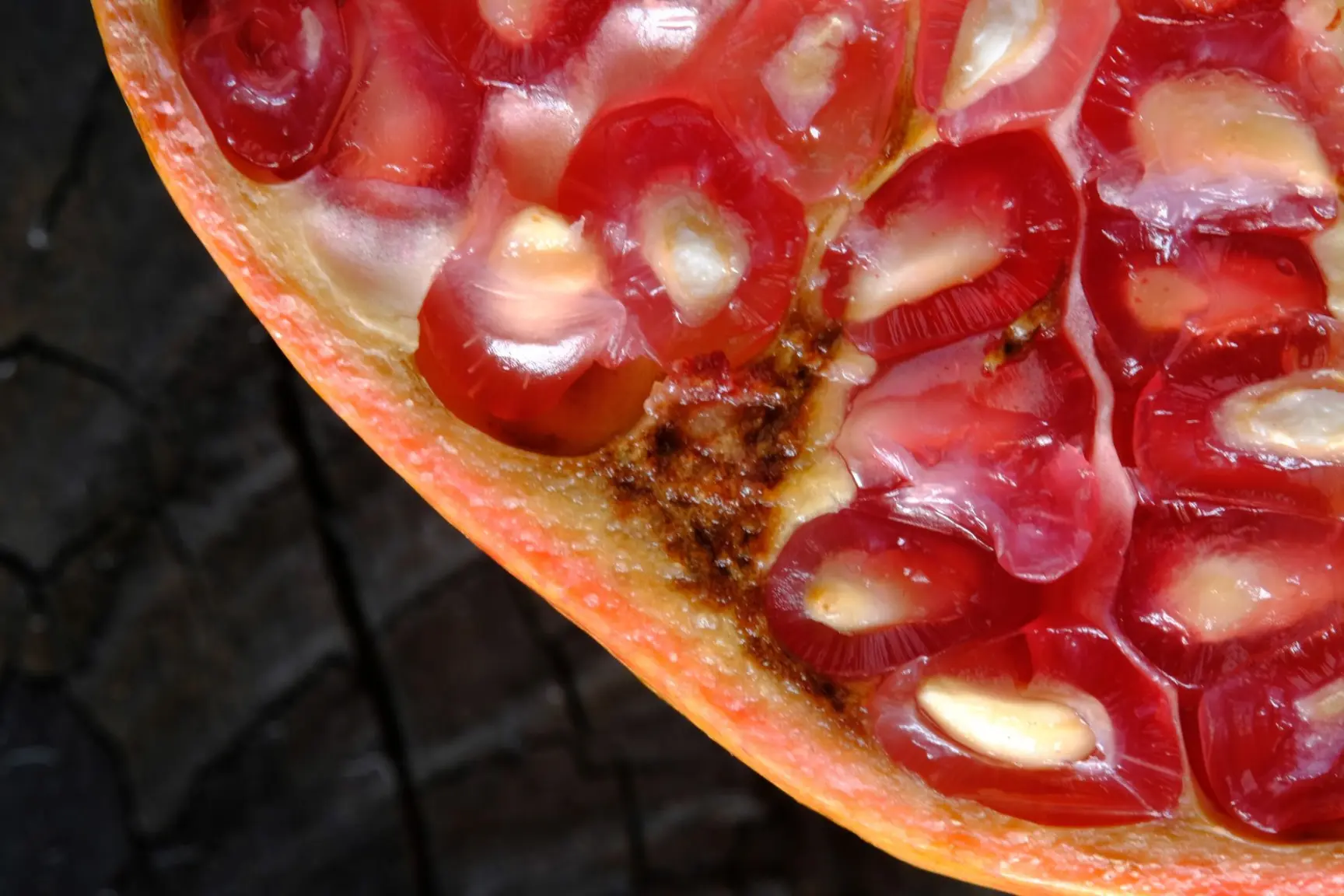
Why? It has a thick skin (excellent for 20+ days shipping), deep glossy red color, and soft seeds (arils).
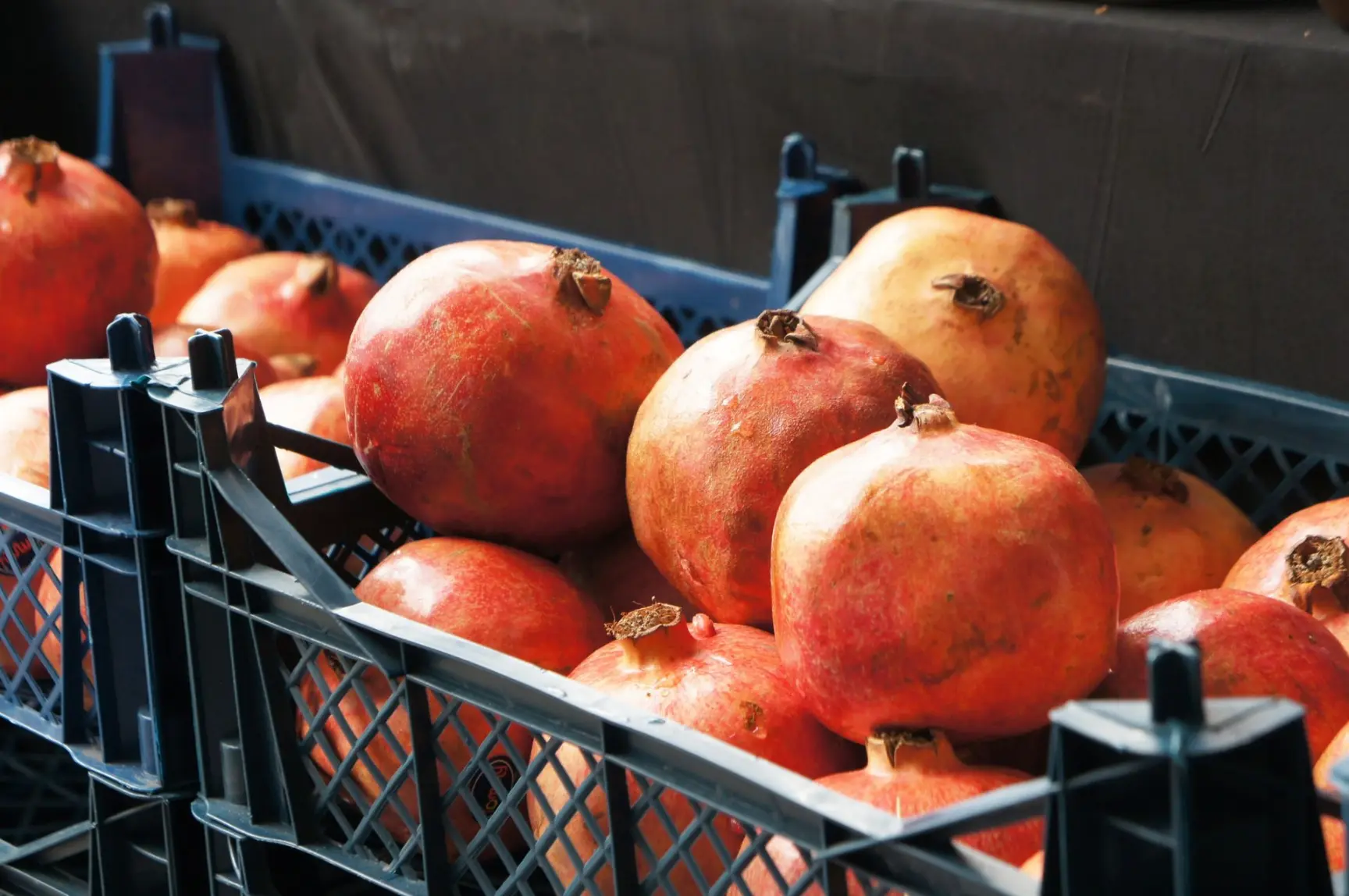
The Size: They prefer Count 9, 10, or 12 (number of fruits per 3.5 kg box). Fruit weight should be 250g - 350g.
The Season: The best window to ship to Europe is February to May.
Strategic Gap: This is when Spanish and Turkish seasons end, and the market is empty.
Export Data Snapshot (2024-25 Trends):
Top Destination: Netherlands (Gateway to EU).
Fastest Growing: Germany (Direct retail sourcing).
Highest Value: UK (Ready-to-eat segment).
2. The "AnarNet" System & Compliance (Crucial)
You cannot export a single pomegranate to Europe without passing the APEDA "AnarNet" checks. The EU has the strictest MRL (Maximum Residue Limit) norms in the world.
Farm Registration: You must source only from farmers registered on AnarNet. You cannot buy from the open Mandi for Europe.
The "Red List" of Pesticides:
Do NOT use: Acephate, Carbendazim, Chlorpyrifos, Phosphamidon.
Warning: Even 0.01 mg/kg of these residues will cause the rejection of your entire container at Rotterdam port.
Certifications Required:
GLOBAL G.A.P: Mandatory for 99% of European buyers.
SMETA / GRASP: Social audits often requested by UK supermarkets.
Phytosanitary Certificate: Issued by Indian plant quarantine officials.
3. Top Buyers & Importers in Europe
These companies are the "Gatekeepers." They import thousands of tonnes annually.
🇳🇱 The Netherlands (The Hub)
Most exports go here first for re-distribution across the EU.
Nature's Pride:
Profile: One of Europe's largest exotic fruit importers. They supply huge retail chains.
Focus: Ready-to-eat ripeness and high social compliance (Fair Trade).
Fruitfactor B.V.:
Profile: Specialists in sourcing directly from growers.
Requirement: Consistent volume and Global GAP certification.
Greenyard Fresh (Netherlands/Global):
Profile: A giant in the industry. They have massive ripening and packing facilities.
🇩🇪 Germany (The Consumer)
Germans care about "Residue Free" and Organic labels.
Port International Fruit GmbH:
Profile: Based in Hamburg, they are pioneers in overseas fruit imports.
Focus: Sustainability and carbon-neutral shipments.
Don Limón (Pilz Schindler GmbH):
Profile: Large traders based in Hamburg, buying globally.
Rewe Group (Direct Procurement):
Profile: Major supermarket chain that often runs its own sourcing programs.
🇬🇧 United Kingdom (The Premium Market)
High demand for "arils" (processed seeds) and fresh fruit.
Total Produce (Dole plc):
Profile: The UK's largest fresh produce provider.
Westfalia Fruit (UK):
Profile: Known for avocados but huge buyers of sub-tropical fruits like pomegranate.
Minor, Weir & Willis (MWW):
Profile: Major supplier to UK supermarkets like Tesco and Sainsbury's.
4. Export Logistics: Getting it There Safely
Shipping fresh fruit by sea to Europe takes 20-25 days. One mistake in the container settings, and the fruit will rot.
Packaging:
Box: 3.5 Kg or 4.0 Kg Open Top Corrugated Box (Strong, 5-ply).
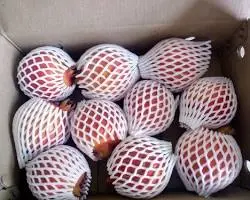
Inner Packing: Each fruit must be in a foam net + plastic liner to prevent moisture loss.
Container Settings (Reefer):
Temperature: 5°C to 7°C. (Do not go lower; pomegranates get "Chilling Injury").
Ventilation: 15-20 CBM/hour.
Humidity: 90-95%.
5. Action Plan for Exporters
Register with APEDA: Get your RCMC and access the AnarNet portal.
Find the Right Farm: Contract with a Global GAP certified farmer in Solapur, Nashik, or Sangli (Maharashtra) before the season starts.
Test Before You Ship: Send sample fruits to an NABL lab for a "European Panel" residue test. Cost is approx. ₹8,000, but it saves you a ₹20 Lakh loss later.
Pitch Strategically: When emailing the buyers above, attach your Global GAP Certificate and a recent Residue Analysis Report in the first email. This proves you are a professional.