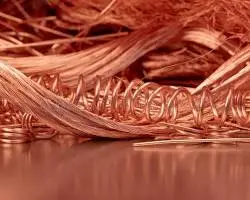
Copper is the "new oil" of the renewable energy age. With the global push for EVs (Electric Vehicles) and green energy grid expansions, the demand for recycled copper is at an all-time high.
However, exporting Copper Scrap from India is not a "free-for-all" trade. The Indian government views copper scrap as a strategic resource and wants to keep it within the country to feed domestic smelters (like Hindalco and Adani’s new Kutch plant). As a result, this is a "Restricted" commodity. It is difficult to export, but for those who secure the license, the margins are massive because international prices (LME) are often higher than domestic scrap rates.
This guide provides the latest market data, HS codes, and the strict compliance roadmap you need to navigate the 2025 export policy.
1. Market Intelligence: The Numbers (2024-25)
Export Status: Restricted (Requires DGFT License).
Total Export Value: India legally exported approx. $124 Million worth of copper scrap in 2023-24.
Top 3 Importers of Indian Copper Scrap:
China: The world’s largest consumer (despite their own import quotas, they buy high-grade 'Berry' scrap).
South Korea: A major hub for refining high-purity copper cathodes.
Germany: High demand for "Birch/Cliff" grades for their automotive industry.
Key Trend: The "Resource Nationalism" trend means the Indian government is tightening export norms to ensure domestic industries have enough raw material.
2. The Product: Grades & HS Codes
Copper scrap is traded globally under ISRI (Institute of Scrap Recycling Industries) codes. You must use these terms in your invoice to look professional.
| Product Category | HS Code | ISRI Code | Description & Copper Content | Target Market |
| Copper Wire Scrap | 7404 00 12 | Barley / Berry | No. 1 Copper Wire. Pure, uncoated, unalloyed. >99% Purity. | South Korea, Japan (Electronics) |
| Heavy Copper | 7404 00 12 | Candy | No. 1 Heavy Copper. Clean punchings, clippings, pipe. >96% Purity. | China (Smelting) |
| Mixed Scrap | 7404 00 22 | Birch / Cliff | No. 2 Copper. Miscellaneous unalloyed wire/solids. 94-96% Purity. | Germany (Auto parts) |
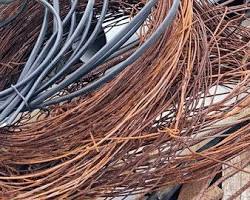
| Insulated Wire | 7404 00 29 | Druid | Insulated copper wire scrap (needs processing/stripping). | Vietnam, Malaysia (Processing) |
3. Regulatory Compliance: The "Restricted" Barrier
This is the most critical section. You cannot just book a container and ship it.
The "Restricted" List:
Under the Indian Trade Classification (ITC-HS), Copper Scrap falls under the Restricted List for exports.
Requirement: You need a specific Export License from the DGFT (Directorate General of Foreign Trade).
The Catch: The government rarely issues these licenses for "raw" scrap unless you can prove you are a generated source (like a PSU) or have a specific surplus that cannot be consumed domestically.
Mandatory Documents:
MoEFCC Clearance: Ministry of Environment, Forest and Climate Change clearance is often needed for hazardous waste movements.
SPCB Consent: "Consent to Operate" from your State Pollution Control Board to prove you are storing/processing scrap legally.
Pre-Shipment Inspection (PSIC): A certificate from an accredited agency certifying the scrap does not contain explosives, war material, or radiation.
4. Buyer Landscape: Who Imports?
Since raw export is hard, most successful exporters process the scrap into "Copper Ingots" or "Billets" (which are free to export) or sell to specific high-tech refineries.
A. South Korea (The Refiners)
LS MnM (formerly LS-Nikko): One of the world's largest copper smelters.
Poongsan Corporation: Major manufacturer of fabricated copper products.
B. China (The Volume Buyers)
Jiangxi Copper: The largest copper producer in mainland China.
Zhejiang Hailiang: Focuses on copper pipes and tubes.
C. Germany (The Auto Giants)
Aurubis AG: The largest copper recycler worldwide. They buy complex scrap that others can't process.
Wieland Group: High demand for high-performance copper alloys.
5. Logistics & Packaging
Packaging:
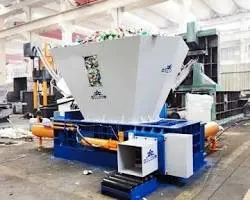
Brirettes: Hydraulic compressed blocks (for Birch/Cliff).
Bundles: Tightly tied wire bundles (for Berry).
Drums: For smaller nodules or granules.
The "Radiation" Check:
Before entering any major port (Nhava Sheva/Mundra), your container will pass through a Radiation Portal Monitor. If your scrap triggers the alarm (common with old medical or industrial equipment), the container will be seized. Always use a handheld radiation detector at your yard before packing.
6. Action Plan for Exporters
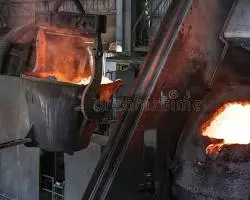
Switch to Ingots: Instead of fighting the "Restricted" license for scrap, set up a small induction furnace, melt the scrap, and export Copper Ingots (HS 7403). This is Free to export and has higher margins.
Domestic Trading: Consider selling to Hindalco or Sterlite within India. They pay international parity prices and you save on freight/customs headaches.
Verification is Key: If you get an inquiry from a buyer using a free email (Gmail/Yahoo) asking for "Copper Scrap" without specifying ISRI grades, it is 99% a scam. Real buyers ask for "Berry" or "Birch".