India is the land of spices, and Cardamom (Elaichi) is the undisputed "Queen." Known for its intense aroma and distinct flavor, Indian cardamom—specifically the Alleppey Green Cardamom—is considered the premium standard globally, often fetching a higher price than its biggest competitor, Guatemalan cardamom.
For Indian exporters, this presents a lucrative opportunity. The global market is hungry for high-quality, authentic Indian spice. This guide covers the entire A-Z process of exporting cardamom, from sourcing the right grade to finding international buyers.
1. Know Your Product: Varieties & Grades
Before you sell, you must understand what you are selling. International buyers order by specific grades, not just "cardamom."
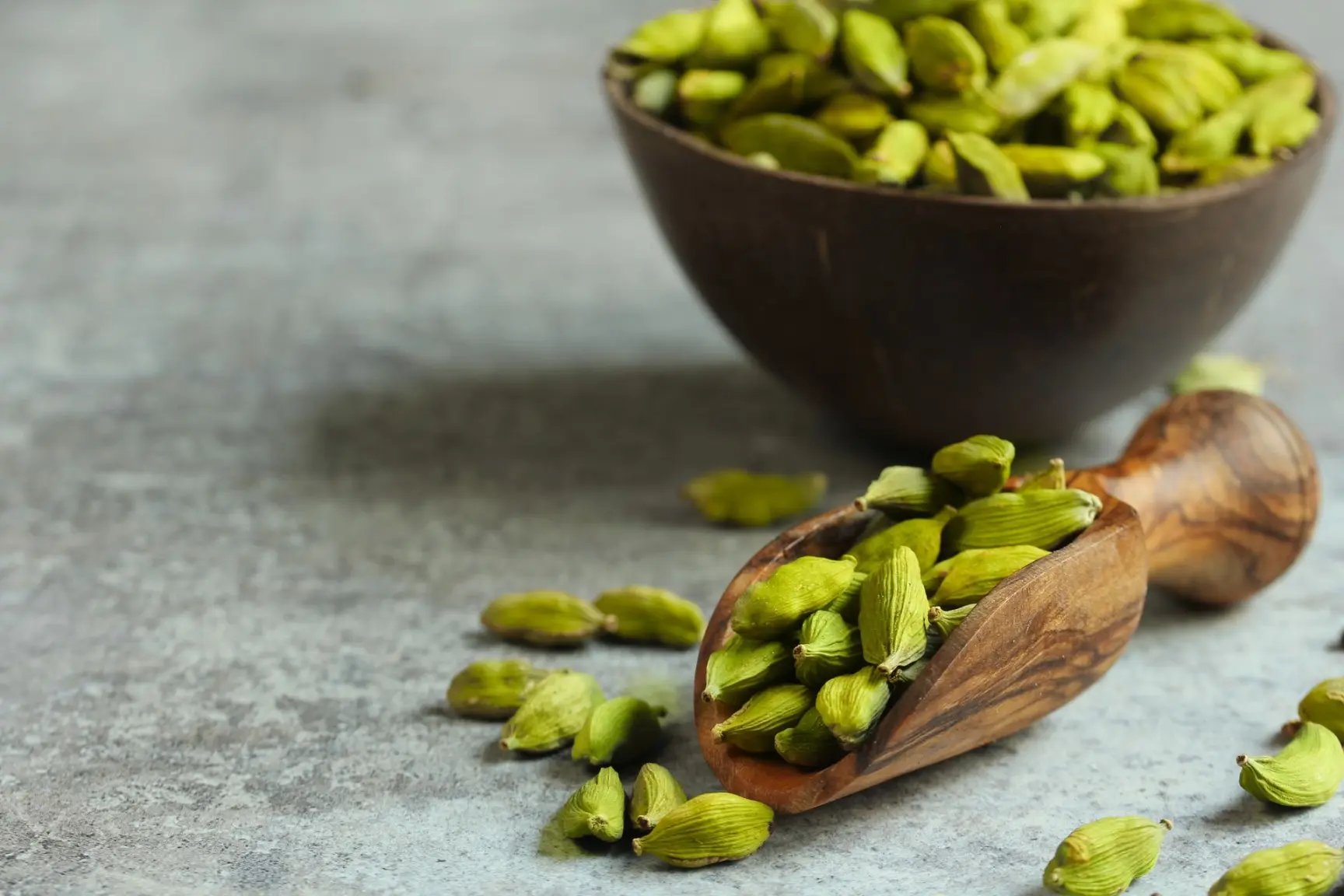
A. Small Green Cardamom (Choti Elaichi)
Grown primarily in Kerala (Idukki district), Karnataka, and Tamil Nadu. This is the main export variety.
Alleppey Green Extra Bold (AGEB): The premium grade. Size is 8mm and above. It has a rich green color and high oil content. Target Market: Saudi Arabia, UAE, Japan.
Alleppey Green Bold (AGB): Size 7mm and above. Very popular in the Middle East.
Alleppey Green Superior (AGS): Size 6mm and above.
Split / Seeds: Pods that have split open or just the black seeds. Target Market: Processed food industries, bakeries in Europe/USA.
B. Large Black Cardamom (Badi Elaichi)
Grown primarily in Sikkim and West Bengal (Darjeeling).
It has a smoky flavor and is used in savory dishes.
Target Market: UK, USA, and Pakistan (for cuisine).
2. The Export Process: Step-by-Step
Step 1: Legal Registration
You cannot export spices without specific government licenses.
IEC Code: Apply for the Importer-Exporter Code from the DGFT.
Spices Board Registration (CRES): This is mandatory. You must obtain the Certificate of Registration as Exporter of Spices (CRES) from the Spices Board of India. Without this, your shipment will be stopped at customs.
GST & MSME: Standard business registrations.
FSSAI Central License: Required since cardamom is a food product.
Step 2: Sourcing
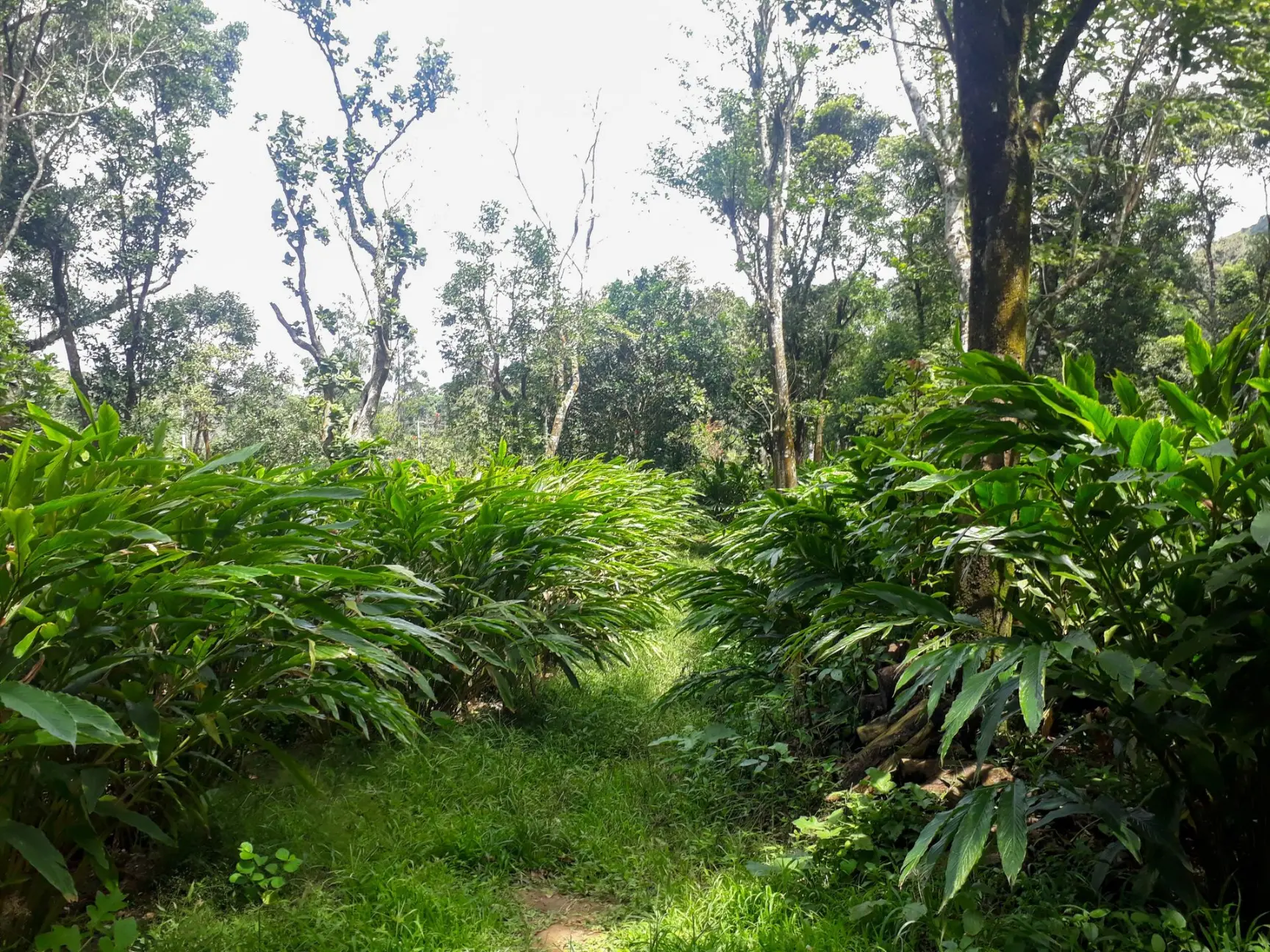
Direct from Auctions: The Spices Board conducts e-auctions in Puttady (Kerala) and Bodinayakanur (Tamil Nadu). This is where you get the best bulk prices.
Authorized Dealers: If you cannot buy in auction volumes, source from registered dealers in Idukki or Bodinayakanur (known as the "Cardamom City").
Step 3: Quality Control (The Critical Step)
Foreign markets have strict limits on two things:
Moisture: Must be dried to below 10-11% to prevent mold (aflatoxins) during shipping.
Pesticide Residue: The European Union has extremely strict MRL (Maximum Residue Limits). If your cardamom has pesticide traces, the entire container will be rejected/destroyed. Always test your batch in a NABL-accredited lab before shipping.
Step 4: Packaging
Cardamom loses its aroma (volatile oil) easily.
Bulk: Gunny bags with high-gauge black polypack liners (to protect from light and moisture). Standard size: 25kg or 50kg.
Premium: Vacuum-packed foil bags (1kg - 5kg) inside master cartons. This preserves the bright green color which Middle Eastern buyers love.
3. Top Import Markets for Indian Cardamom
| Market | What They Buy | Why They Buy |
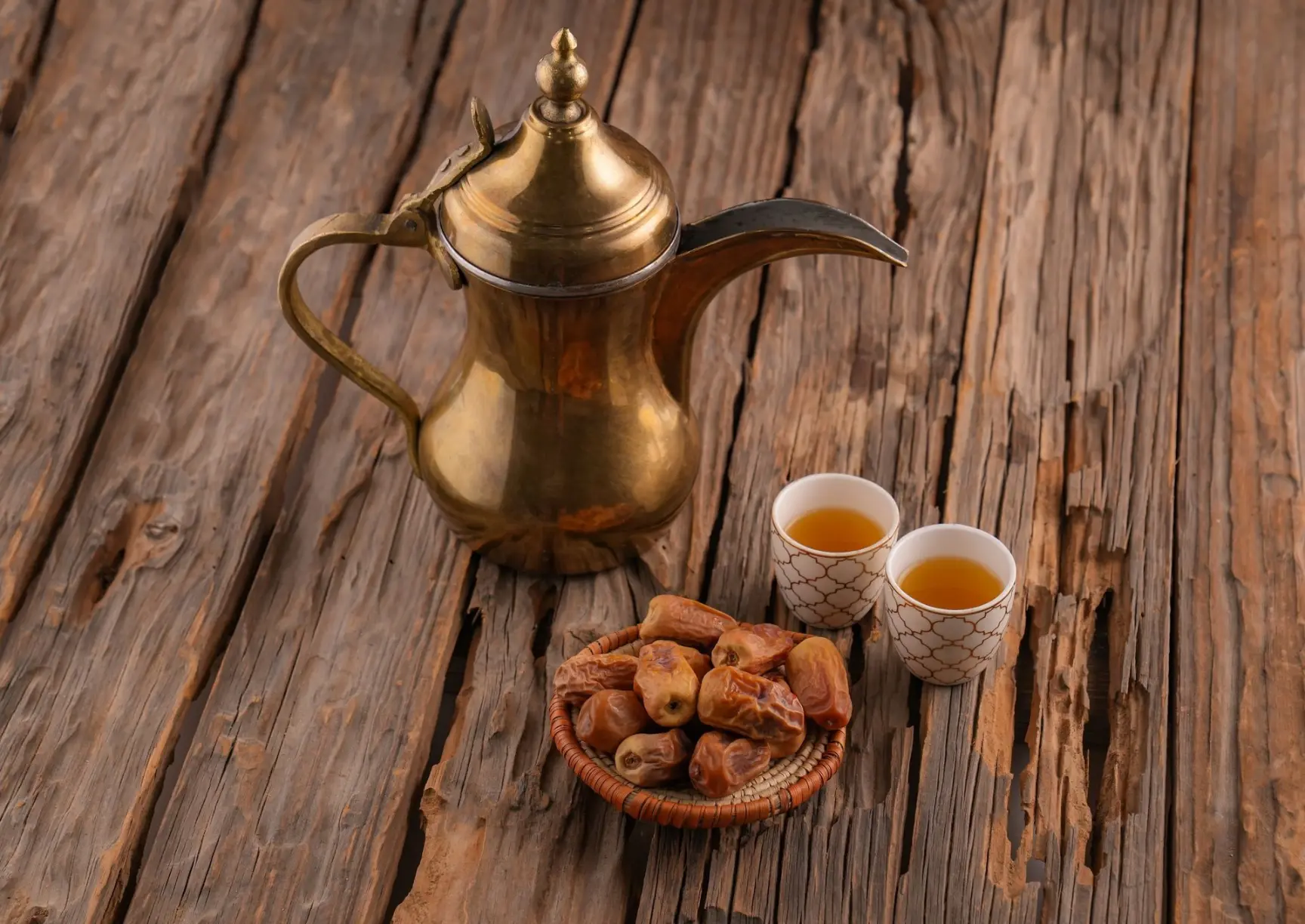
| Saudi Arabia | 8mm+ Extra Bold Green | Used for Gahwa (Arabic Coffee). They pay the highest price for the best green color. |
| UAE | 7mm-8mm Green | Major re-export hub and consumption for local cuisine. |
| USA | Organic / Ground Powder | High demand for "Chai Tea Latte" blends and bakery products. Strict FDA checks. |
| Bangladesh | Medium Grades | Large volume buyer for curries and sweets. Price sensitive. |
| European Union | Seeds / Oil / Premium Pods | Used in gin, perfumes, and Scandinavian baking. Strict on pesticides. |
4. Top Buyers & Distributors (Who to Contact)
While direct buyer lists are proprietary, here are major established importers and distributors in key regions known for dealing in spices.
> Pro Tip: Do not spam these companies. Send a professional corporate offer with your Spices Board registration and specific grade details (e.g., "Offer for 8mm Alleppey Green Cardamom").
Middle East (UAE & Saudi Arabia)
Al Saqr General Trading (UAE): Major importer of spices and foodstuff in Dubai.
Salem Abdullah Binmahfooz Est (Saudi Arabia): One of the largest importers of Indian cardamom for the Saudi market.
Al Nama Herbals (UAE): Deals in bulk spices including green and black cardamom.
Jashanmal National Co (UAE/Bahrain): Large distributor that often handles FMCG and food brands.
Majid Al Futtaim (Carrefour Middle East): Sources for their massive retail chain across the GCC.
United States (USA)
HOS Global Foods: A massive distributor of South Asian food products in North America (brands like Laxmi).
Old Mansion Foods: An established spice importer and miller in Virginia, USA.
McCormick & Company: The world’s largest spice buyer. They have strict supplier onboarding but buy in massive volumes.
Frontier Co-op: Specializes in Organic spices. Excellent target if you have organic certification.
The Spice House: High-end retailer looking for premium, single-origin spices.
Europe (UK & Germany)
TRS (UK): One of the largest Asian food distributors in the UK/EU.
Natco Foods (UK): Major importer of lentils, spices, and nuts.
AKO The Spice Company (Germany): Large importer supplying the European food industry.
Worlée NaturProdukte (Germany): Focuses on dried raw materials and spices.
5. How to Beat the Competition (Guatemala)
Guatemala produces more cardamom than India and is often cheaper. How do you compete?
Sell "Flavor": Indian cardamom has a higher oil content and a richer, more complex aroma than Guatemalan pods. Pitch this to premium buyers.
Sell "Color": The deep, parrot-green color of Indian cardamom is preferred in Saudi Arabia over the pale green of Guatemalan varieties.
Certifications: Get Halal certification for the Middle East and Rainforest Alliance / Organic for Europe/USA to justify your premium price.
Ready to export? Start by getting your samples tested at a Spices Board lab. A clean lab report is your best sales tool!