While traditional potato powder is a commodity, Sweet Potato Powder is a specialty ingredient. It is used in everything from "paleo" baking mixes to natural food coloring and pet supplements. For an Indian exporter, the challenge isn't finding a buyer; it’s meeting the US FDA’s rigorous safety and labeling standards.
1. Market Intelligence: The USA Opportunity (2026)
The North American market for sweet potato powder is projected to grow at a CAGR of 7-8% through 2030.
Key Drivers: Rising gluten intolerance (celiac disease) and the demand for natural sweeteners in the baby food industry.
Target Industries: 1. Bakery & Snacks: For "sweet potato" tortillas and muffins.
2. Nutraceuticals: As a base for energy powders.
3. Pet Food: High-end brands use it as a premium carbohydrate source.
Price Benchmarks: High-quality Indian Sweet Potato Powder typically fetches $4.50 - $6.50 per kg (FOB) depending on the mesh size and color retention.
2. The Product: Grades & HS Codes
Accurate classification is the first step to avoiding "Prior Notice" rejections at US ports.
| Product Type | HS Code | Description |
| Sweet Potato Powder/Flour | 1106 20 20 | Flour, meal, and powder of sago or of roots or tubers of heading 0714 (Sweet Potato). |
| Dried/Dehydrated Slices | 0714 20 00 | Sweet potatoes, dried, whether or not sliced or in the form of pellets. |
| Sweet Potato Starch | 1108 13 00 | Potato starch (often used if the product is highly refined). |
3. Regulatory Compliance: The "FDA" Gateway
To land a shipment in New York or Savannah, you must satisfy the US Food & Drug Administration (FDA).
FDA Food Facility Registration: Your Indian processing unit must be registered with the FDA. This is free but requires a US Agent (a person/entity residing in the USA to act as a point of contact).
Prior Notice (PN): For every shipment, you must file a "Prior Notice" with the FDA before it reaches the US border.
Labeling (MoCRA & FSMA): The label must be in English and include:
Standardized "Nutrition Facts" panel.
Country of Origin ("Product of India").
Ingredients (listing any anti-caking agents).
Net weight in both Metric and Imperial units (e.g., Grams and Ounces).
4. Quality Control: The "Salmonella" & "Lead" Checks
US Customs and the FDA are currently on high alert for two things in Indian powders:
Salmonella: Since sweet potatoes grow in soil, the washing and blanching process must be airtight. Steam Sterilization is highly recommended over chemical treatments.
Heavy Metals: Ensure your soil testing shows low levels of Lead and Arsenic, as US "Prop 65" (in California) has extremely strict limits.
Mesh Size: Standard export quality is usually 80 to 100 mesh. Anything coarser is considered "meal" rather than "powder."
5. Logistics & Packaging
Sweet potato powder is hygroscopic (it absorbs moisture from the air).
Packaging: * Bulk: 25kg Kraft Paper Bags with an inner LDPE liner.
Retail: Stand-up pouches (Doypacks) with zippers.
Shipping: Use Dry Containers with silica gel (desiccants). Avoid shipping during monsoon months if the moisture level in the factory cannot be controlled <6%.
Container Load: A 20ft container can hold approx 15 to 18 Metric Tons.
6. Action Plan for Sanskriti Global Exports
RCMC & EPC: Register with APEDA (Agricultural and Processed Food Products Export Development Authority). They offer subsidies for quality testing and attending trade fairs in the USA.
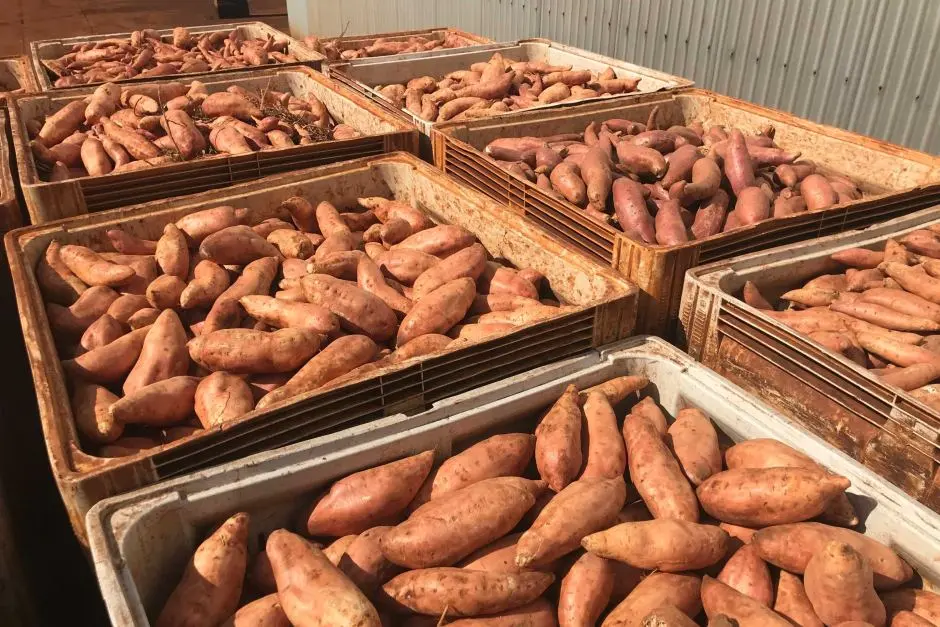
Sourcing: Target the "Orange Fleshed" varieties from Odisha or Uttar Pradesh. The USA market specifically wants high-beta-carotene (orange) powder, not the white/purple varieties.
Certifications: If you can obtain USDA Organic or Non-GMO Project Verified certifications, you can charge a 25-30% premium over conventional powder.