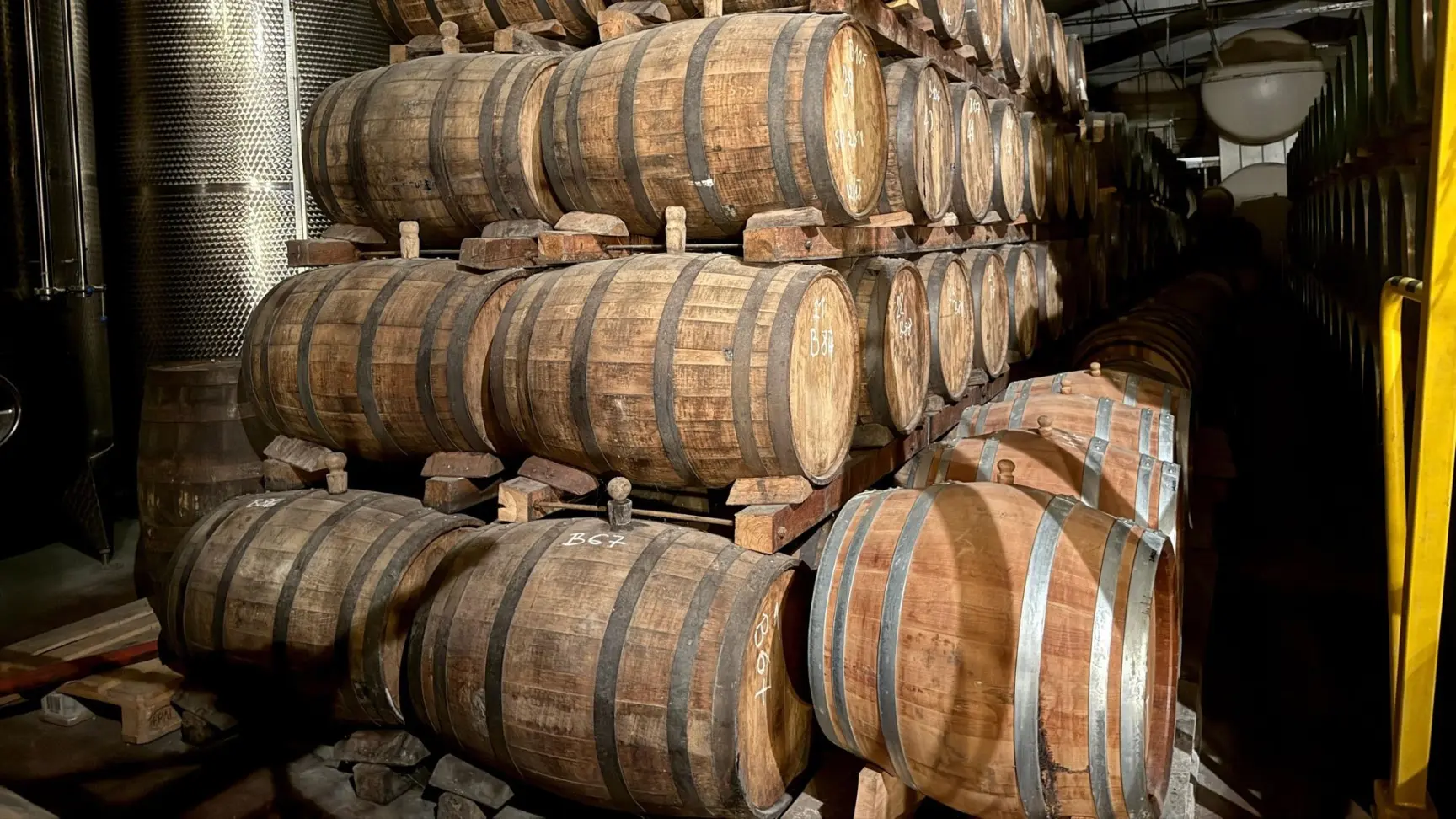
For decades, "Indian Whisky" meant molasses-based spirits sold locally. That era is over. Today, brands like Indri, Amrut, and Rampur have proven that India can produce world-class Single Malts that beat Scottish rivals in blind tastings.
With the "World Whisky" category growing by 12-15% annually globally, and the "China Plus One" sourcing strategy gaining momentum, international distributors are actively seeking new, exotic spirits.
Here is your detailed roadmap to exporting whisky from India.
1. The Product Strategy: Two Distinct Paths
You must decide whether you are playing the Volume Game or the Value Game.
Path A: Bulk Blended Whisky (High Volume, Low Margin)
What it is: Molasses-based spirit blended with a small amount of scotch or malt.
Target Markets: Africa (Nigeria, Kenya, Angola), UAE (for re-export), and Southeast Asia.
The Angle: Price competitiveness. These markets want affordable spirits ($2 - $5 per bottle FOB).
Logistics: Often shipped in ISO tanks or huge volumes of glass bottles.
Path B: Indian Single Malt (Low Volume, High Margin)
What it is: 100% barley malt, distilled and aged in India.
Target Markets: USA, UK, France, Germany, Japan.
The Angle: The "Tropical Aging" narrative.
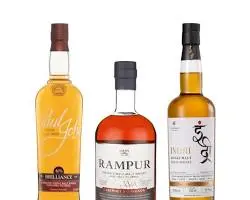
Marketing Hook: "In Scotland, whisky sleeps. In India, it sweats." Explain that India's heat speeds up maturation. A 5-year Indian malt tastes like a 15-year Scotch because the wood interaction is 3x faster.
Price Point: $40 - $80+ per bottle retail globally.
2. Regulatory Compliance (The Heavy Lifting)
Alcohol is a state subject in India, making exports complex. You need approvals from both the State (where the distillery is) and the Centre (for export).
A. Mandatory Licenses:
IEC Code: Import Export Code (Standard).
FSSAI Central License: Mandatory for food/beverage exports.
State Excise Export License: You need a specific permit from your State Excise Commissioner to move liquor out of the state for export.
Label Registration: Your label must be registered in the destination country (e.g., TTB approval for the USA).
B. The "B&I" Bond (Bond & Insurance):
To avoid paying the massive State Excise Duty (which is for local consumption), you must move goods under a Bond. This guarantees the government that the liquor is leaving the country and not leaking into the local black market.
3. Logistics: The "Dangerous Goods" Trap
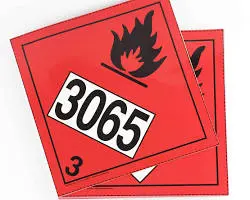
Shipping whisky is not like shipping rice. Alcohol with >24% ABV (Alcohol by Volume) is classified as Dangerous Goods (DG).
UN Classification: UN 3065, Class 3 (Flammable Liquid).
Packaging: You cannot use standard cardboard. You need UN-Certified 5-ply or 7-ply boxes that have passed drop tests.
The Container:
Dry Container: Fine for standard blends.
Reefer Container (Temperature Controlled): Highly recommended for Premium Single Malts going to hot regions (like passing through the Suez Canal in summer). Extreme heat can push corks out or alter the flavor profile of a $100 bottle.
Labeling: Every carton must bear the "Flammable Liquid" diamond sticker.

4. Financial Incentives: RoDTEP
The government wants you to export value-added products.
RoDTEP (Remission of Duties and Taxes on Exported Products): You can claim a percentage of your FOB value back as a transferable script.
Drawback: Ensure your Customs House Agent (CHA) files for Duty Drawback to claim back customs duties paid on imported glass bottles, caps, or packaging materials.
5. 2025 Marketing Trends for Exporters
If you are pitching to buyers in Europe or the USA, use these three narratives:
The "Himalayan" Story: If your water source or barley comes from anywhere near the North, market it as "Himalayan Glacial Water." This signals purity to Western buyers.
Six-Row Barley: Scotland uses two-row barley. India uses six-row barley, which has more protein and fat, giving the whisky a bolder, oily texture. Pitch this as a "richer" flavor profile.
Sustainable Luxury: Use plastic-free secondary packaging. European buyers are banning rigid boxes with magnets and plastic trays. Switch to Micro-flute paperboard—it looks premium but is 100% recyclable.