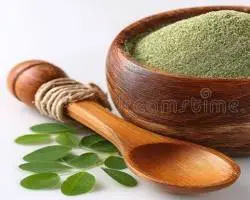
Moringa Oleifera, often called the "Miracle Tree," has transformed from a backyard Indian staple (Drumstick leaves) into a global superfood phenomenon. The world wants it for smoothies, supplements, and skincare.
India is the undisputed king of this market, supplying nearly 80% of the global demand. For Indian exporters, this is a low-investment, high-margin opportunity—provided you understand the strict quality norms of the West.
This guide covers market data, HS codes, compliance, and a strategy to find buyers in high-paying markets like the USA and Germany.
1. Market Intelligence: The Data (2024-25)
Global Market Size: The global Moringa products market is projected to reach $10 Billion by 2025, growing at a CAGR of ~9%.
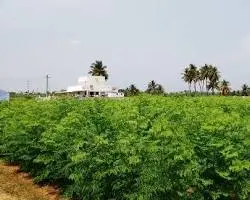
India's Dominance: Tamil Nadu, Andhra Pradesh, and Karnataka are the production powerhouses.
Key Hubs: Karur and Dindigul (Tamil Nadu) are known as the "Moringa Export Zones" of India.
Top Importers:
USA: The largest buyer (45% share). Demands USDA Organic certified powder for supplements.
Germany: The entry point for Europe. Huge demand for "Bio" (Organic) certified powder.
China: Increasing demand for extraction (for cosmetics).
Japan & South Korea: High standards for purity and color.
2. The Product: Grades & HS Codes
Classifying your product correctly is vital for customs.
| Product Category | HS Code | Description | Target Market |
| Moringa Leaf Powder | 1211 90 29 | Dried, crushed/powdered leaves. Used for supplements/tea. | USA, Europe (Food Grade) |
| Moringa Extracts | 1302 19 19 | Concentrated extract (higher value). | Pharma & Cosmetics |
| Moringa Seeds | 1209 99 90 | Used for oil extraction or planting. | China, France (Cosmetics) |
Quality Grades (The Difference Between Profit & Rejection):
Premium Food Grade:
Color: Vibrant Bright Green.
Mesh Size: 80-100 Mesh (Fine powder).
Use: Smoothies, Capsules.
Standard Grade:
Color: Dull Green / Brownish tint.
Use: Tea blends, Animal feed.
3. The "Organic" Barrier: Compliance is King
You cannot simply crush leaves and ship them to Germany. Western buyers are terrified of Heavy Metals and Pesticides.
Organic Certification:
For USA: USDA NOP (National Organic Program).
For Europe: EU Organic (getting Transaction Certificates or TCs for every shipment is mandatory).
Cost: It costs ₹2-3 Lakhs but increases your selling price by 40-50%.
Lab Testing Parameters (The "COA"):
Heavy Metals: Lead, Cadmium, Arsenic, Mercury (Must be < 1ppm).
Microbial: Salmonella and E. Coli must be Absent.
Pesticides: Must be "Residue Free."
Tip: Always get a test report from an Eurofins or SGS lab before shipping.
4. Top Buyer Categories & How to Find Them
Instead of chasing generic "importers," target these specific industries:
A. Nutraceutical & Supplement Brands (USA/UK)
Target: Companies making "Green Superfood Blends" or capsules.
Examples: Zija International (Isagenix), Kuli Kuli Foods, Organifi.
Pitch: "USDA Organic, 80 Mesh, Steam Sterilized Moringa Powder."
B. Natural Cosmetic Manufacturers (South Korea/France)
Target: Brands using Moringa for anti-aging creams (Moringa oil/extract).
Examples: The Body Shop (uses Moringa range), L'Occitane.
C. Tea Blenders (Germany/Japan)
Target: Companies selling "Herbal Detox Teas."
Pitch: Coarser cut leaves (Tea Cut) rather than fine powder.
5. Logistics & Packaging
Moringa powder is light but voluminous (it takes up space).
Volumetric Weight Risk: Couriers (DHL/FedEx) will charge you based on volume, not dead weight. Pack tightly.
Packaging:
Bulk: 20kg or 25kg Paper Drums with Food Grade Poly liners.
Retail: Nitrogen-flushed aluminum pouches (to prevent oxidation/browning).
Shelf Life: Oxygen and Light are enemies. If the powder turns brown, it is worthless.
6. Profitability Snapshot
Sourcing Cost (Bulk): ₹150 - ₹250 per kg (varies by Organic status).
Export Price (FOB): $6 - $12 per kg (approx. ₹500 - ₹1000).
Margin: 100% - 300% is possible if you target the Organic niche.
7. Action Plan for Exporters
Visit the Hubs: Go to Karur or Dindigul in Tamil Nadu. Meet contract farmers.
Sample Strategy: Do not send 1kg samples initially. Send 50g samples in high-quality pouches to 10 buyers. The vibrant green color is your best sales tool.
Certify Early: Apply for APEDA registration immediately. If you are serious, start the conversion to Organic certification (takes time) or partner with a certified farmer.