While China has historically dominated the global bamboo market, the tide is turning. With the global shift away from single-use plastics and the "China Plus One" strategy, international buyers in the USA, Europe, and the Middle East are actively looking at India.
India is the second-largest cultivator of bamboo in the world. The opportunity is not in shipping raw poles (low margin), but in engineered and lifestyle products (high margin).
Here is your roadmap to building a profitable bamboo export business.
1. Market Intelligence: What Sells Where?
You cannot just "export bamboo." You must target specific niches.
Category A: The "Plastic Ban" Alternatives (High Volume)
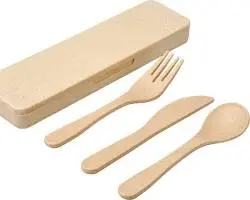
Products: Bamboo Toothbrushes, Cutlery, Straws, Cotton Swabs (Earbuds).
Target Markets: UK, Germany, France, Canada.
Why: These countries have strict bans on single-use plastics. They need millions of units of eco-friendly alternatives monthly.
Buyer Profile: Supermarket chains (Tesco, Aldi), Eco-friendly subscription boxes, Hotel chains (Hilton, Marriott).
Category B: Engineered Bamboo (High Value)
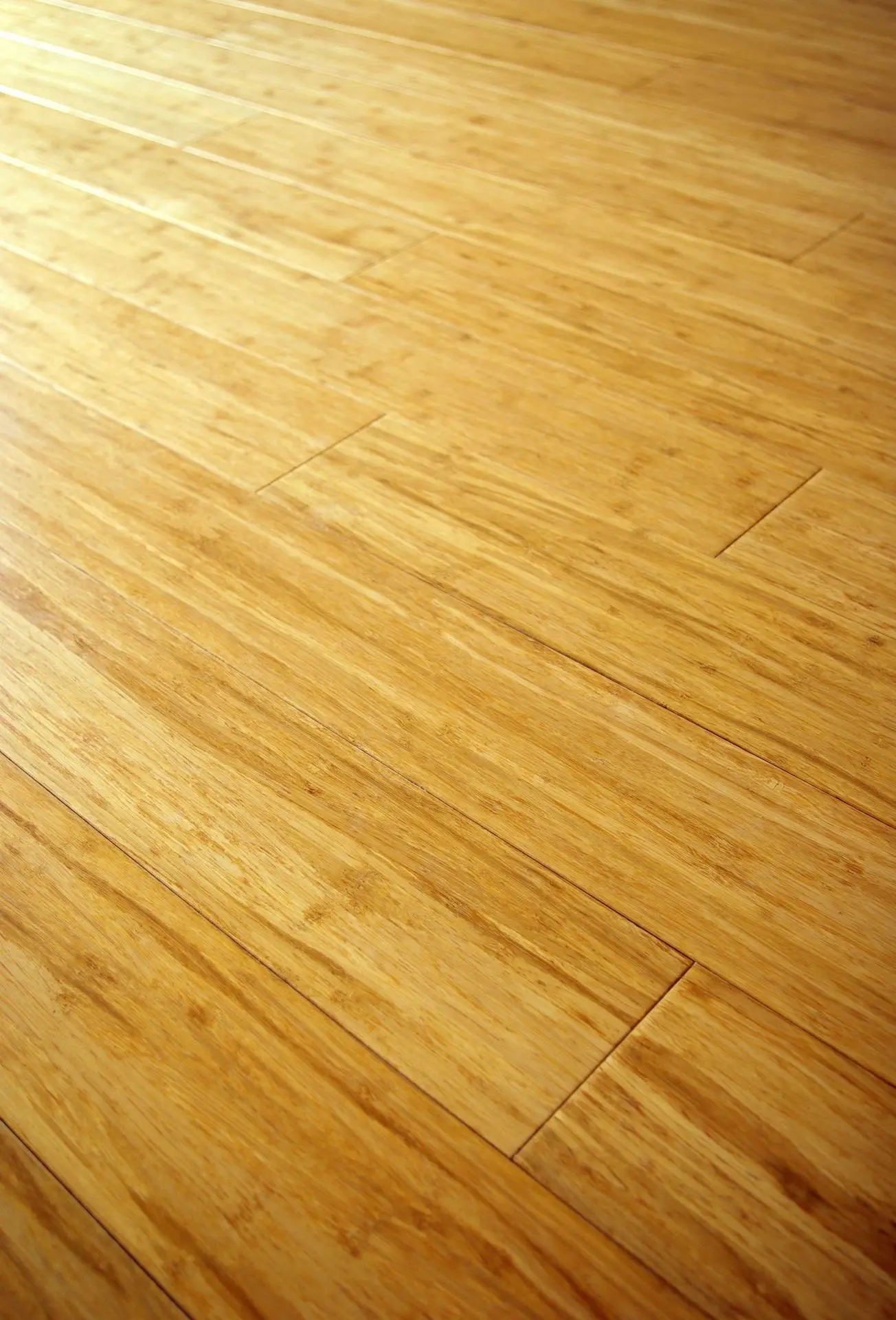
Products: Bamboo Flooring, Beams (Glulam), Wall Cladding.
Target Markets: USA, UAE (Dubai), Australia.
Why: Architects are using bamboo as "Green Steel." It is harder than oak and sustainable.
Buyer Profile: Construction firms, Interior design studios, Flooring distributors.
Category C: Bamboo Charcoal (The "Black Diamond")
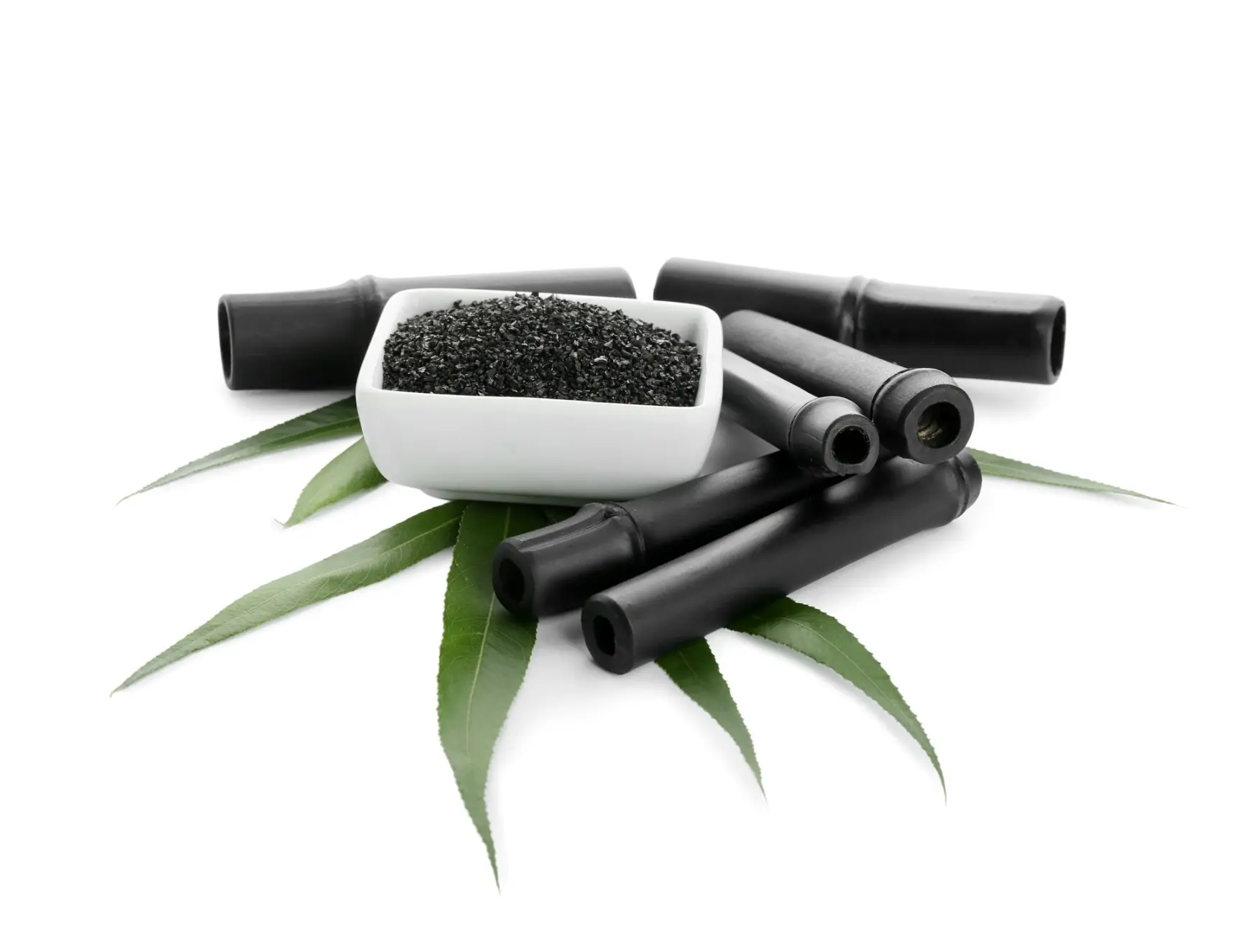
Products: Activated Charcoal powder (for cosmetics), BBQ briquettes, Air purifier bags.
Target Markets: USA, Japan, South Korea.
Opportunity: India lifted the ban on bamboo charcoal exports in 2022. This is a massive opportunity to turn waste into profit.
2. Regulatory & Legal Framework
This is the most critical section. Bamboo laws have changed for the better.
The "Tree vs. Grass" Shift: In 2017, the Indian Forest Act was amended. Bamboo grown on non-forest land is now classified as "Grass," not a "Tree." This means you do not need a Transit Pass (TP) to move it within India.
Export Policy:
Value Added Products: Free to export.
Bamboo Charcoal: Free (Since May 2022), BUT you need a Certificate of Origin (CoO).
Muli Bamboo (Raw): Policies fluctuate. It is generally safer and more profitable to process it before export.
Mandatory Documents for Export:
VRIKSH Shipment Certificate: Often required by buyers to prove legality (comparable to CITES).
Phytosanitary Certificate: Essential. Issued by plant quarantine officials to prove your shipment is free from pests (especially the Powder Post Beetle).
Fumigation Certificate: Bamboo is highly prone to insects. You must fumigate the container with Methyl Bromide or Phosphine before shipping.
3. HS Codes (Customs Classification)
Using the right code is vital for duty calculation and clearance.
| Product Category | HS Code | Description |
| Kitchenware | 4419 19 00 | Bamboo tableware, cutlery, chopping boards |
| Handicrafts | 4602 11 00 | Basketwork, wickerwork of bamboo |
| Flooring/Panels | 4418 91 00 | Assembled flooring panels of bamboo |
| Charcoal | 4402 10 10 | Bamboo Charcoal (Check current sub-heading) |
| Furniture | 9403 82 00 | Furniture of bamboo |
4. Sourcing & Logistics
Where to Source?
Northeast India (Assam, Tripura, Mizoram): The hub. 60% of India's bamboo grows here. Best for raw material and handicrafts.
Maharashtra (Konkan) & Karnataka: Emerging hubs for Dendrocalamus stocksii (solid bamboo), excellent for furniture and construction.
Kerala: High-quality reed bamboo for weaving.
The "Moisture" Trap
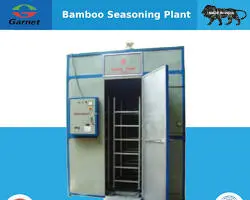
The Problem: Bamboo absorbs moisture like a sponge. If you ship bamboo with >12% moisture content to Europe, it will arrive covered in mold.
The Solution:
Ensure goods are Kiln Dried (KD).
Use Silica Gel pouches in the container (1 kg per 20ft container is standard).
Use "Desiccant Strips" that hang inside the container walls.
5. Action Plan for Exporters
Start with "Small & Dry": Do not start with furniture (volume is high, shipping is costly). Start with Bamboo Toothbrushes or Kitchenware. They are dense, dry, and easy to pack.
Get the "FSC" Tag: European buyers love the Forest Stewardship Council (FSC) tag. If your supplier has this, you can charge 15-20% more.
Solve the "Borer" Issue: Explicitly tell buyers your treatment process (e.g., "Borax & Boric Acid treated" or "Heat Treated"). This builds instant trust.