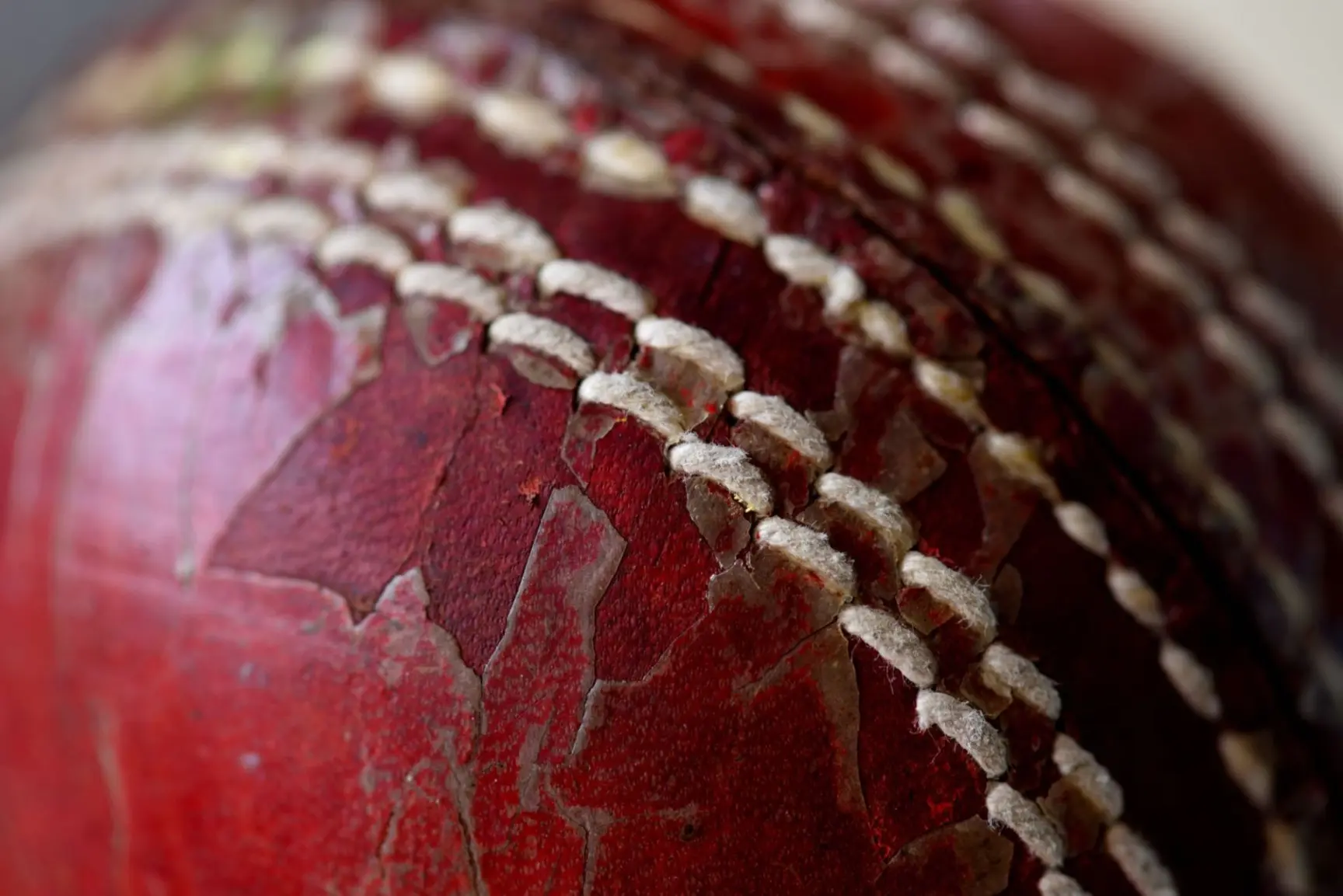
India is no longer just a "cricket nation" in the eyes of the world; it is a manufacturing powerhouse for global sports brands. With Jalandhar and Meerut acting as the twin engines, India produces 60% of the world's cricket equipment and is a preferred OEM (Original Equipment Manufacturer) destination for inflatable balls used by global giants.
The "China Plus One" strategy is pushing buyers from the US and Europe to look at India for diversity. Here is your roadmap to building a profitable sports export business.
1. The Product Strategy: Heritage vs. Volume
To succeed, you must define your lane. The sports export market generally splits into two categories:
Path A: The Heritage Play (Cricket & Hockey)
The Product: English Willow bats, Kashmir Willow bats, leather balls, and soft protective gear (pads, gloves).
Target Markets: UK, Australia, South Africa, New Zealand, and the Caribbean.
The Angle: "Handcrafted Excellence."
Marketing Hook: Buyers in the UK value the "Jalandhar Craftsmanship" narrative. Pitch the manual pressing of willow and the hand-stitching of leather balls as premium features that machines cannot replicate.
Margins: High (Retail prices for Grade A+ English Willow bats can exceed £300/ $400).
Path B: The Volume/OEM Play (Inflatable Balls & Boxing)
The Product: Footballs, Rugby balls, Volleyballs, and Boxing gear.
Target Markets: USA, Germany, France, and South America.
The Angle: "Custom Manufacturing (Private Label)."
Marketing Hook: You aren't selling a brand; you are selling production capacity. Pitch your ability to meet FIFA Quality Pro standards or specific bladder types (Latex vs. Butyl) at a fraction of the cost.
Margins: Low per unit, but massive volume.

2. Regulatory Compliance: The "Safety" Hurdle
Exporting sports gear—especially protective equipment—is technically demanding. Western markets treat these items as Personal Protective Equipment (PPE).
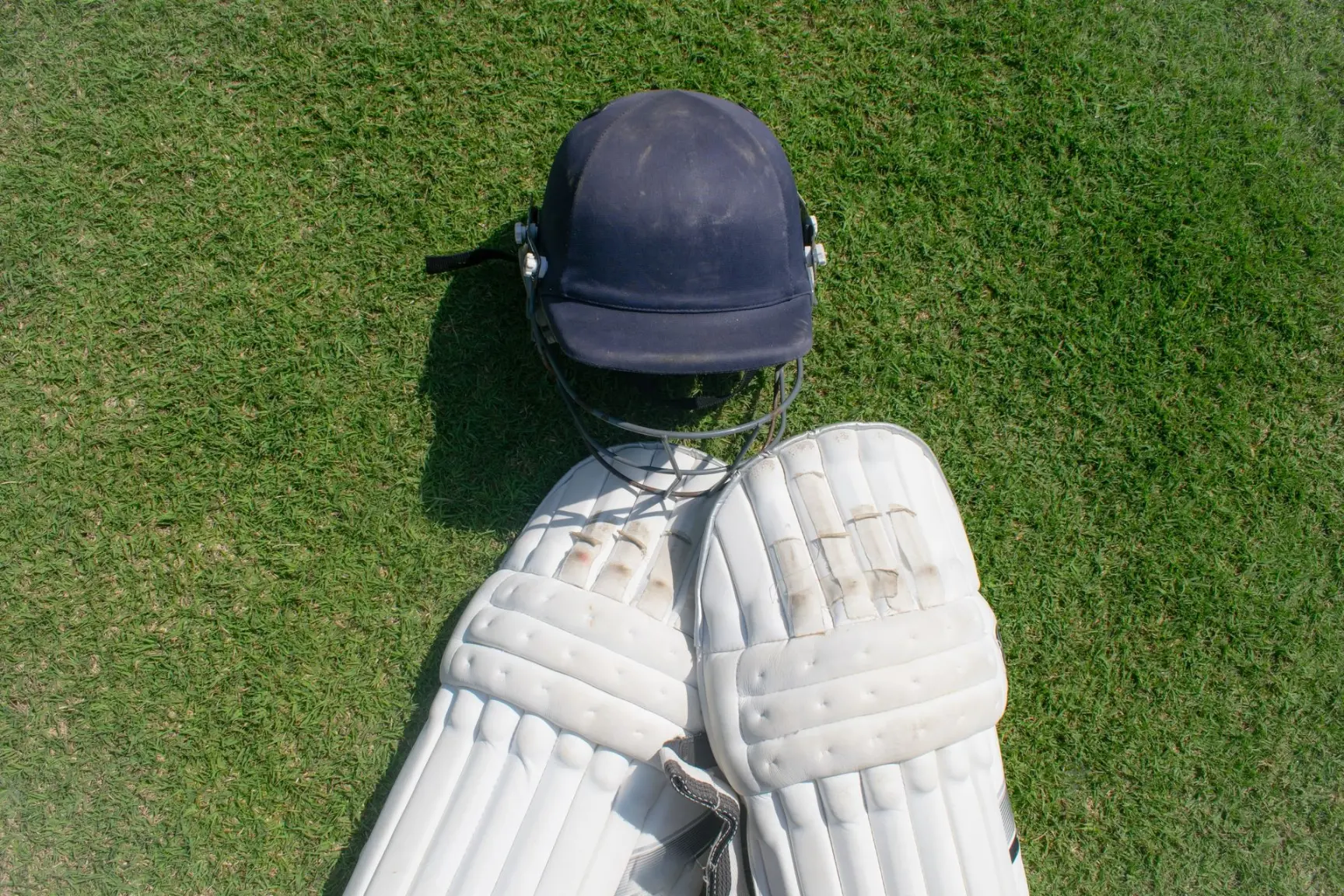
A. EU Market (The CE Mark): If you export anything that protects a player (helmets, shin guards, cricket pads, boxing gloves), it must bear the CE Mark.
Regulation: It falls under PPE Regulation (EU) 2016/425.
The Standards:
Cricket/Hockey Helmets: Must meet specific head protection standards (often adapted from BS 7928).
Protective Gloves/Pads: Impact protection is tested under EN 1621 (Motorcycle standard often adapted) or specific sport standards.
Action: You need a "Notified Body" (a European testing lab) to certify your samples before you can print "CE" on your product.
B. USA Market (ASTM Standards):
While often voluntary, major retailers (like Dick’s Sporting Goods or Walmart) will not buy without ASTM International compliance to avoid liability lawsuits.
Key Standard: ASTM F803 for eye protection and specific standards for faceguards.
3. Logistics: Moisture is the Enemy
Sports goods are notoriously sensitive to environmental changes during the 30-45 days at sea.
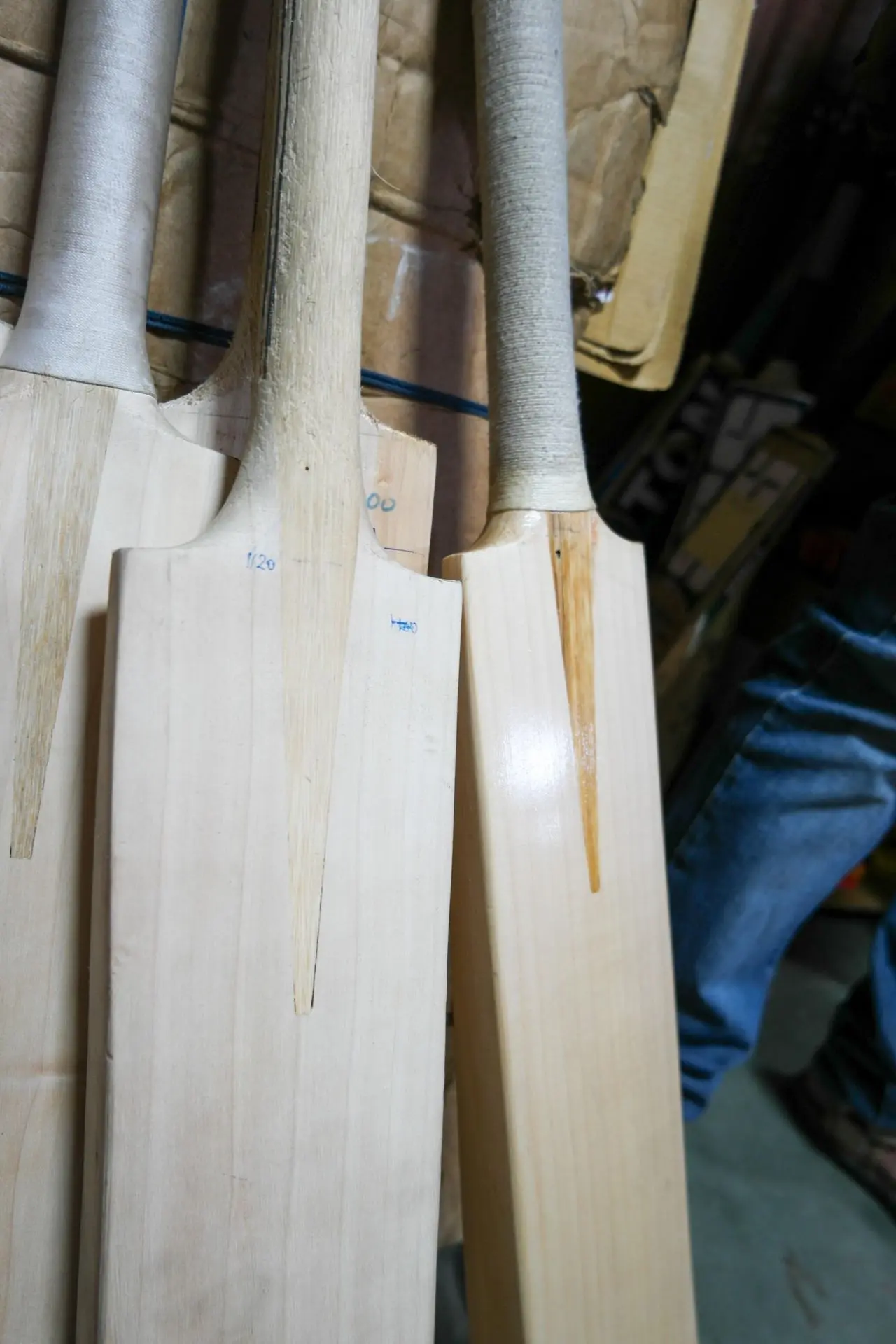
The Willow Risk: Cricket bats are wood. If the container is too humid, the wood swells and fungus grows. If it’s too dry, the handle becomes brittle and snaps.
Solution: Use Desiccants (Silica Gel) generously. For premium shipments, use VCI (Vapor Corrosion Inhibitor) bags or lining to control moisture levels.
The Leather Risk: Leather balls can develop "bloom" (white mold) in humid sea air.
Solution: Individually wrap leather balls in greaseproof paper or polypack before boxing them.
The Inflatable Volume Trick: Never ship balls inflated. Ship them deflated to save 60% volume. However, you must ensure they aren't crushed so hard that the leather/PU material creases permanently.
4. Financial Incentives: RoDTEP & SGEPC
SGEPC Membership: Registration with the Sports Goods Export Promotion Council (SGEPC) is mandatory to claim government benefits. They also subsidize your booth costs at major fairs like ISPO Munich.
RoDTEP: You get a rebate on the FOB value of your exports (rates vary by HS Code, typically 1-2%). Ensure your Customs House Agent (CHA) correctly classifies your goods—e.g., distinguishing between "Gym Equipment" and "General Physical Exercise Equipment" can change your duty drawback rates.
5. 2025 Marketing Trends
"Kashmir Willow" Rebranding: Traditionally seen as the "cheap cousin" to English Willow. With English Willow shortages globally, market Kashmir Willow as the "Sustainable, Durable Alternative" for club-level cricket.
Eco-Friendly Packaging: German buyers are aggressive about this. Replace bubble wrap with honeycomb paper wrap. It offers the same impact protection for bats but is 100% biodegradable.
The "Athleisure" Cross-over: Boxing gloves are no longer just for fighting; they are "fitness tools." Market your boxing gear to fitness chains and gyms in the US, not just boxing clubs.