By Sanskriti Global Exports by Himanshu Gupta
India's Economic Resilience: Decoding the Q3 2025 GDP Surprise Amidst Global Trade Tensions
Date: November 29, 2025
For those of us navigating the choppy waters of international trade, the past few years have been a masterclass in volatility. Geopolitical shifts, supply chain disruptions, and a renewed wave of protectionism have become the new normal. It is against this turbulent backdrop that India’s latest economic data, released yesterday, has landed not just as a positive surprise, but as a powerful statement of resilience.
The headline from Fortune Magazine—"India growth beats all estimates as factories defy Trump tariffs"—captures the essence of the moment. As we head towards the close of 2025, the Indian economy has posted GDP growth figures that have left most analysts scrambling to revise their forecasts. This isn't just a statistical victory; it's a testament to the underlying strength of our domestic manufacturing and a crucial signal for every Indian import-export professional. But beyond the celebratory headlines, what does this data truly mean for our businesses on the ground? Let's dissect the numbers and chart a course for 2026.
A Factual Summary: Manufacturing's Moment in the Sun
The National Statistical Office (NSO) data reveals a robust expansion, significantly outpacing consensus estimates. The primary engine of this remarkable performance has been the manufacturing sector, which posted a double-digit expansion. This surge is particularly noteworthy given the challenging external environment, especially the stringent tariff regime imposed by Washington.
The Fortune article correctly highlights that India, which faces tariff rates as high as 50% on certain goods, remains one of the few major economies yet to finalize a comprehensive trade agreement with the current US administration. Conventional wisdom would suggest that such punitive measures would cripple export-oriented manufacturing. However, the data paints a different picture, suggesting a multi-faceted defiance:
- Robust Domestic Demand: The primary buffer against external shocks has been India's vast and insatiable domestic market. A growing middle class and sustained government capital expenditure have created a powerful demand-pull effect, allowing manufacturers to thrive even when export channels are constrained.
- The PLI Scheme Dividend: The Production-Linked Incentive (PLI) schemes, launched years ago, are now clearly bearing fruit. Sectors like electronics, pharmaceuticals, and auto components have not only scaled up production but have also moved up the value chain, making their products more competitive globally, sometimes even despite tariffs.
- Export Market Diversification: While the US remains a critical market, astute Indian exporters have been aggressively diversifying their destinations. The Comprehensive Economic Partnership Agreement (CEPA) with the UAE, along with focused efforts in the EU, Latin America, and Africa, are creating new avenues for growth, mitigating the impact of US-centric trade friction.
In essence, the story of Q3 2025 is not just about defying tariffs; it's about a structural shift where the Indian economy is building a more resilient, domestically-anchored, and diversified industrial base.
Implications for Indian Import-Export Professionals
This economic snapshot carries critical, actionable intelligence. Here are the key takeaways for our community:
- For Exporters:
- Double Down on 'Make in India for the World': The data is a green light. Global corporations are actively pursuing a 'China+1' strategy, and India has proven its mettle as a reliable alternative. Exporters in high-performing PLI sectors should aggressively market their enhanced capacity and quality standards.
- Market Diversification is Non-Negotiable: The US market will remain volatile. Treat the current success in non-US markets not as a stop-gap but as a core long-term strategy. Invest in understanding the regulations, logistics, and consumer preferences of the EU, Middle East, and ASEAN nations.
- Navigate US Tariffs with Finesse: For US-bound shipments, resilience means sophistication. Explore tariff engineering, utilize Free Trade Warehousing Zones (FTWZs) for value-added processing, and ensure impeccable documentation to avoid costly delays. The 50% figure is a headline; your specific HS code is what matters.
- For Importers:
- Anticipate Rising Input Demand: A booming manufacturing sector means a voracious appetite for raw materials, intermediate goods, and critical components. Importers should anticipate stronger demand and potentially higher prices. Securing supply chains and exploring long-term contracts for key inputs is now paramount.
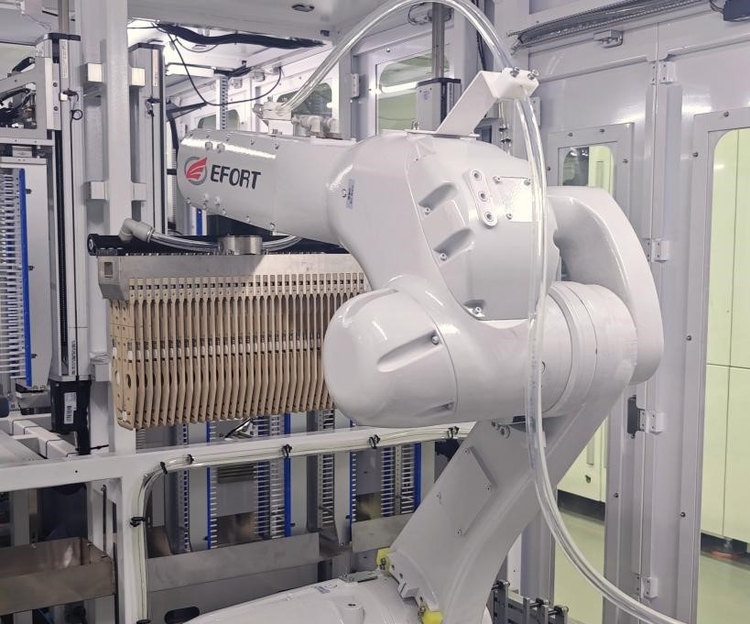
- The Capital Goods Opportunity: To sustain this manufacturing momentum, Indian factories will need to modernize and expand. This presents a golden opportunity for importers of high-tech machinery, robotics, and industrial automation solutions. This is a high-growth import category for the foreseeable future.
- Manage Currency Volatility: Strong GDP data can lead to a strengthening Rupee, which is favorable for importers. However, the global political climate remains uncertain. It is crucial to have a robust currency hedging strategy in place to protect your margins from sudden exchange rate fluctuations.
Conclusion: A Cautious Optimism for the Path Ahead
The Q3 2025 GDP numbers are a significant vote of confidence in the Indian economy. They demonstrate a newfound resilience and an ability to grow despite, not in the absence of, global challenges. For the Indian import-export professional, this is a moment of opportunity. The world is taking notice of India’s manufacturing prowess, and the strong domestic economy provides a stable foundation from which to engage with the world.
However, we must temper this optimism with strategic caution. The trade friction with Washington is real, and global economic headwinds have not disappeared. The path forward requires agility, diversification, and a relentless focus on moving up the global value chain. The latest data isn't a finish line; it's a clear and encouraging signal that we are running the race with strength and stamina. Now is the time to leverage this momentum and build businesses that are not just resilient, but truly global-ready for 2026 and beyond.
Source: Original