By Sanskriti Global Exports by Himanshu Gupta
Navigating the Tides: EU Gridlock, Domestic Policy Shifts, and FTA Hopes
Date: May 12, 2025
Good day to our community of Indian trade professionals. In the ever-shifting landscape of global commerce, today presents a microcosm of the challenges and opportunities that define our industry. We're seeing significant logistical friction in our key European markets, coupled with strategic policy shifts at home designed to bolster our manufacturing prowess. Simultaneously, long-awaited progress on a critical trade agreement offers a glimpse into a more streamlined future. As your trusted analyst, my goal is to cut through the noise, connect the dots, and provide you with the actionable intelligence needed to navigate these developments effectively. Let's break down today's essential roundup.
Factual Summary of Key Developments
Today's news cycle is dominated by three major stories with direct and immediate consequences for Indian supply chains and market access strategies.
1. Severe Congestion Paralyzes Port of Rotterdam, EU's Gateway
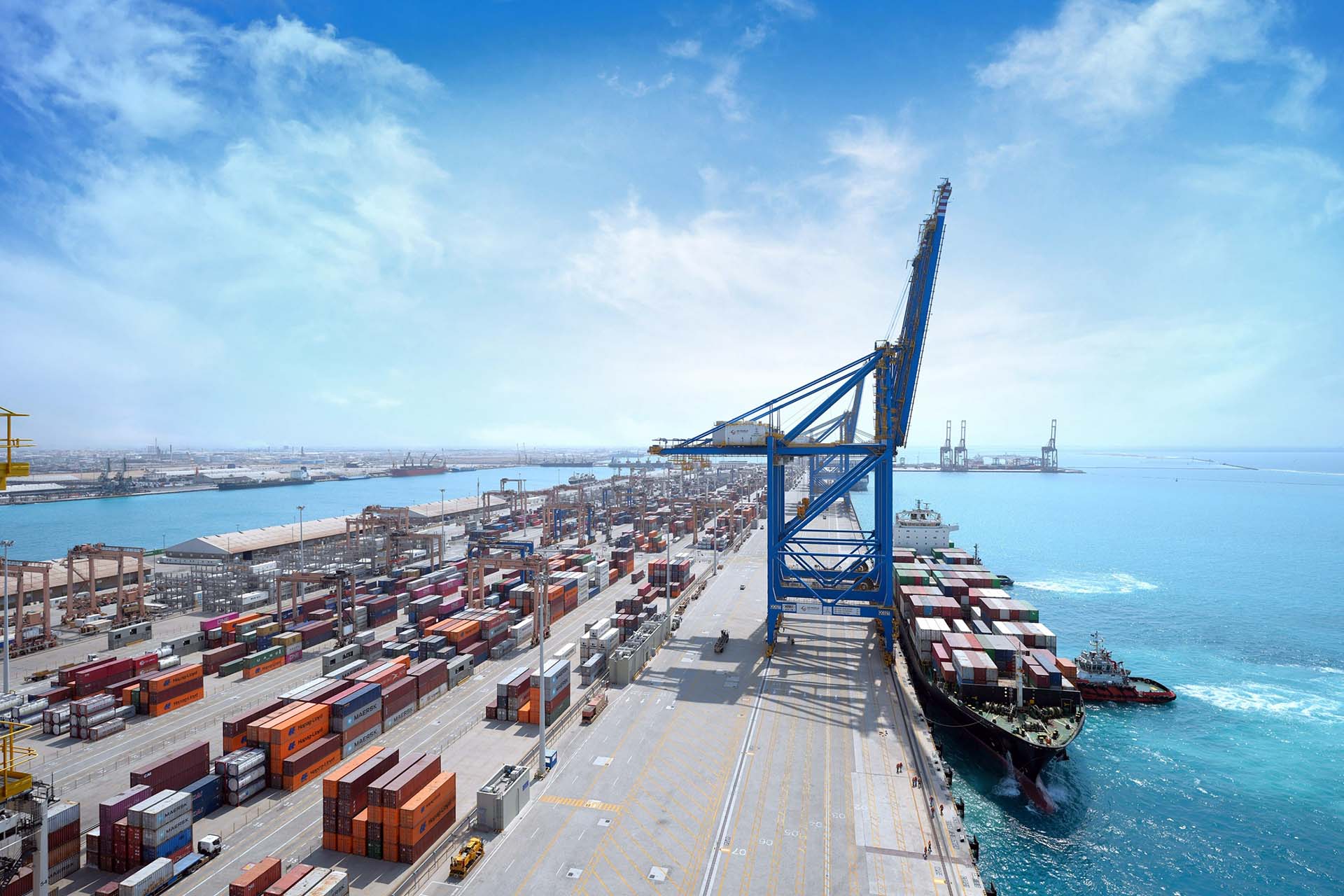
Reports emerging from the Netherlands confirm that the Port of Rotterdam, Europe's largest and a critical entry point for Indian goods, is experiencing unprecedented levels of congestion. A confluence of factors is at play: lingering industrial action by port workers over new automation protocols, compounded by the rollout of stricter, more complex customs checks under the EU's 'Green Lane' environmental regulations. Shipping lines are reporting vessel waiting times extending up to 10 days, leading to a significant backlog of containers. Maersk and Hapag-Lloyd have already announced congestion surcharges for cargo destined for Rotterdam and are exploring rerouting shipments to other ports like Antwerp and Hamburg, which are now beginning to feel the spillover effects.
2. Government of India Announces Phase III of PLI for Electronics
In a major domestic policy move, the Ministry of Commerce and Industry, in coordination with the Ministry of Electronics and Information Technology (MeitY), has announced the expansion of the Production-Linked Incentive (PLI) scheme for the electronics sector. This new phase specifically targets the upstream value chain, offering incentives for the domestic manufacturing of critical components such as semiconductor packaging units, high-precision display drivers, and advanced power management ICs. The stated objective is to reduce India's import dependency on East Asian nations for these components, which currently constitute a significant portion of the bill of materials for Indian electronics assemblers. The policy aims to attract over ₹50,000 crore in fresh investment over the next five years.
3. 'Substantial Breakthrough' in India-UK FTA Negotiations
Sources close to the ongoing Free Trade Agreement (FTA) negotiations between India and the United Kingdom have confirmed a 'substantial breakthrough' on several contentious chapters. While the full text remains confidential, it is understood that negotiators have reached a principled agreement on rules of origin for textiles and apparel, a key demand from the Indian side that could grant significant duty advantages. Furthermore, progress has been reported on market access for Indian professional services in the UK, particularly in the IT and financial consulting sectors. Officials are cautiously optimistic that a final agreement could be signed before the end of the third quarter, though sensitive issues like agricultural tariffs and intellectual property rights still require resolution.
Implications for Indian Import-Export
These developments are not just headlines; they are direct variables affecting your bottom line, supply chain reliability, and future growth strategy. Here’s a breakdown of the immediate implications and strategic considerations:
- EU Shipments at Risk of Delays and Cost Overruns: The Rotterdam situation is a critical threat. Indian exporters in sectors like automotive parts, textiles, and pharmaceuticals destined for the EU face immediate risks of delayed deliveries, missed deadlines, and financial penalties. The imposition of congestion surcharges will directly erode margins. Strategic Advice: Immediately contact your freight forwarder to assess the impact on your current shipments. Explore alternative routing via ports like Antwerp (Belgium), Hamburg (Germany), or even southern European ports like Genoa (Italy) followed by rail transport. Proactive communication with your European buyers is crucial to manage expectations and renegotiate delivery timelines. Consider building buffer stock for critical components sourced from the EU.
- A Double-Edged Sword for Electronics Players: The PLI scheme expansion is a watershed moment. For importers of electronic components, this signals a long-term strategic shift by the government that may eventually lead to increased non-tariff barriers or higher duties on finished components to protect domestic industry. For aspiring and existing domestic manufacturers, this is a golden opportunity to vertically integrate, reduce supply chain vulnerability, and tap into a supportive policy ecosystem. Strategic Advice: Importers should begin identifying and vetting emerging domestic suppliers to diversify their sourcing. Potential manufacturers should immediately begin a detailed evaluation of the PLI scheme's eligibility criteria and start preparing investment blueprints.
- First-Mover Advantage in the UK Market: The impending India-UK FTA is a game-changer, particularly for textiles, apparel, and services. Exporters who prepare now will be best positioned to capitalize when the agreement is enacted. The potential duty reductions will make Indian goods significantly more competitive against rivals like Bangladesh and Vietnam in the UK market. Strategic Advice: Textile and apparel exporters should start aligning their production processes with the anticipated 'rules of origin' criteria. Service-based firms should begin market research and identify potential partners in the UK. Start building relationships now to hit the ground running once the ink is dry.
- Currency Hedging Becomes Non-Negotiable: The combination of global supply chain disruptions and shifting trade policies creates currency volatility. The Indian Rupee (INR) has already shown sensitivity to global freight cost fluctuations. Unhedged exposure on your import payables or export receivables is an unnecessary and dangerous risk in this environment. Strategic Advice: Review your hedging strategy with your financial institution. Using instruments like forward contracts to lock in exchange rates for your upcoming transactions can provide certainty and protect your profits from adverse currency movements.
Conclusion: The Imperative of Agility
Today's roundup paints a clear picture: the world of international trade offers no room for complacency. While external shocks like the Rotterdam gridlock demand immediate, tactical responses to protect our supply chains, domestic policy shifts like the PLI expansion require long-term strategic vision. The promising progress on the UK FTA underscores the constant need to look ahead and prepare for new market opportunities. The most successful Indian import-export professionals in 2025 and beyond will be those who master this blend of reactive agility and proactive strategy, staying informed, diversified, and always ready for the next shift in the global tide.
Source: Original