By Sanskriti Global Exports by Himanshu Gupta
Trade Winds of Change: Analysing the Key Developments for Indian Exporters in January 2026
Date: January 28, 2026
Navigating the complex tapestry of global trade requires constant vigilance and a sharp eye for emerging trends. For India's vibrant community of importers and exporters, the start of 2026 has brought a flurry of significant developments that promise to reshape supply chains, alter compliance landscapes, and open new avenues for growth. From major infrastructure commitments on the world stage to pivotal policy shifts at home, the events of the past few weeks are not just headlines; they are strategic signposts for the year ahead.
This analysis delves into the critical updates from the recent daily trade roundup, offering a factual summary followed by a targeted breakdown of what these changes mean for your business. We will explore the solidification of the Middle East-Europe Economic Corridor, the finalisation of the EU's much-debated carbon tariffs, a landmark digital initiative by the DGFT, and evolving market dynamics. Understanding these shifts now is paramount to maintaining a competitive edge in an ever-evolving global marketplace.
Factual Summary of Key Global and Domestic Trade News
This week's trade intelligence points to four pivotal developments impacting Indian commerce:
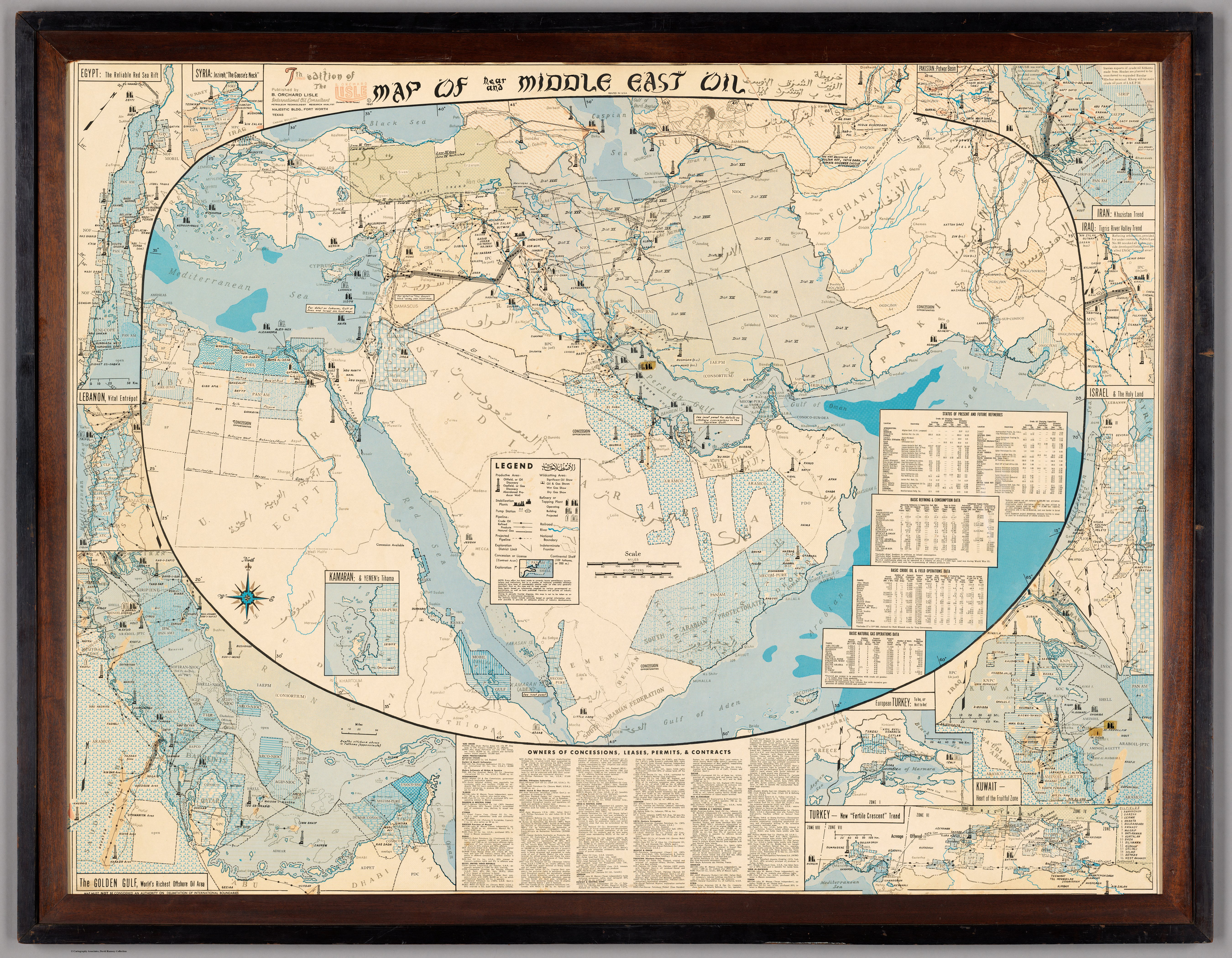
1. Middle East-Europe Economic Corridor (MEEEC) Secures Major Funding: A consortium of sovereign wealth funds and development banks, led by partners in the UAE, Saudi Arabia, and the EU, has officially committed an initial $50 billion tranche to fast-track the development of the MEEEC. This multi-modal transport corridor, designed to be a faster and more reliable alternative to the traditional Suez Canal route, will integrate rail, port, and road infrastructure. The initial phase focuses on upgrading port facilities in the Arabian Peninsula and establishing key rail links through to the Mediterranean.
2. EU Finalises Carbon Border Adjustment Mechanism (CBAM) Tariff Structure: Following the conclusion of its transitional reporting phase, the European Commission has published the definitive tariff and compliance framework for its Carbon Border Adjustment Mechanism (CBAM). The announcement specifies the formula for calculating embedded emissions and sets the initial carbon levy, which will be phased in over the next 18 months. The framework applies to initial target sectors, including steel, aluminium, cement, fertilisers, and hydrogen, with clear indications that electronics and textiles will be included in the next review cycle.
3. DGFT Launches Unified Digital Trade Interface (UDTI): In a significant move towards trade facilitation, India's Directorate General of Foreign Trade (DGFT) has launched its 'Unified Digital Trade Interface' (UDTI). This single-window portal aims to consolidate over a dozen separate application and compliance processes—from license applications and RoDTEP claims to certificates of origin—into one seamless, AI-powered dashboard. The system is designed to drastically reduce paperwork, cut processing times by an estimated 40%, and provide real-time tracking of all regulatory submissions.
4. RoDTEP Scheme Expanded to Boost High-Value Exports: The Ministry of Commerce has expanded the Remission of Duties and Taxes on Exported Products (RoDTEP) scheme to include several high-growth, high-value sectors. Key additions include medical devices, specific semiconductor components manufactured under the PLI scheme, and specialty chemicals. The revised rates aim to offset embedded local levies more accurately, enhancing the price competitiveness of these strategic Indian exports in the global market.
Implications for Indian Import-Export Professionals
These developments carry immediate and long-term consequences. Here is a breakdown of the key strategic takeaways for your business:
- Logistics Planning Must Evolve (MEEEC): The MEEEC is no longer a theoretical concept. While full implementation is years away, proactive businesses should start modelling its potential impact. This could mean reduced transit times to Europe by up to 30%, potentially lower shipping and insurance costs compared to volatile sea lanes, and new logistics hubs emerging in the Middle East. Action Point: Begin conversations with freight forwarders about their MEEEC strategy and evaluate if future sourcing or distribution centres in the UAE or Saudi Arabia could offer a strategic advantage.
- The 'Green Premium' is Real (EU CBAM): The finalisation of CBAM tariffs moves sustainability from a CSR talking point to a core P&L item for exporters to the EU. Businesses in affected sectors will face direct costs if their carbon footprint is high. This creates a powerful incentive for green investments. Action Point: Urgently conduct a carbon audit of your manufacturing process and supply chain. Invest in green technology and robust emissions reporting systems. Companies that can offer verifiably 'low-carbon' products will have a significant competitive advantage and can potentially command a premium.
- Operational Efficiency is Set for a Quantum Leap (DGFT's UDTI): The UDTI platform is a game-changer, especially for MSMEs who lack large compliance teams. Faster clearance times mean improved cash flow, as capital is not tied up in delayed shipments. The reduction in paperwork lowers overheads and minimizes the risk of manual errors. Action Point: Mandate internal training on the new UDTI portal immediately. Re-evaluate your customs clearance and compliance workflows to leverage the platform's full potential and reallocate resources previously dedicated to manual paperwork.
- New Incentives for High-Tech Manufacturing (RoDTEP Expansion): The inclusion of sectors like medical devices and semiconductors in the RoDTEP scheme is a clear government signal. It directly boosts the profitability and competitiveness of exporting these goods. This makes India a more attractive manufacturing base for these high-value items. Action Point: If you operate in or supply to these newly included sectors, re-calculate your export pricing to reflect the new benefits. This could be the edge you need to win contracts against global competitors.
Conclusion: A Time for Strategic Adaptation
The trade landscape of early 2026 is being defined by two powerful, parallel forces: a global push towards more resilient and sustainable supply chains, and a domestic drive for unprecedented digitalization and high-value export promotion. The developments surrounding the MEEEC and EU's CBAM demand a strategic, long-term response focused on logistics diversification and greening your operations. Simultaneously, domestic initiatives like the UDTI and expanded RoDTEP offer immediate tactical advantages that can improve efficiency and profitability today.
For the Indian import-export professional, this is not a time for passive observation. It is a moment for proactive adaptation. Embracing digital tools, investing in sustainability, and strategically re-evaluating supply chain routes will be the defining characteristics of the businesses that not only survive but thrive in the years to come.
Source: Original