By Sanskriti Global Exports by Himanshu Gupta
The Finish Line in Sight: Is the India-EU 'Mother of All Deals' Finally Here?
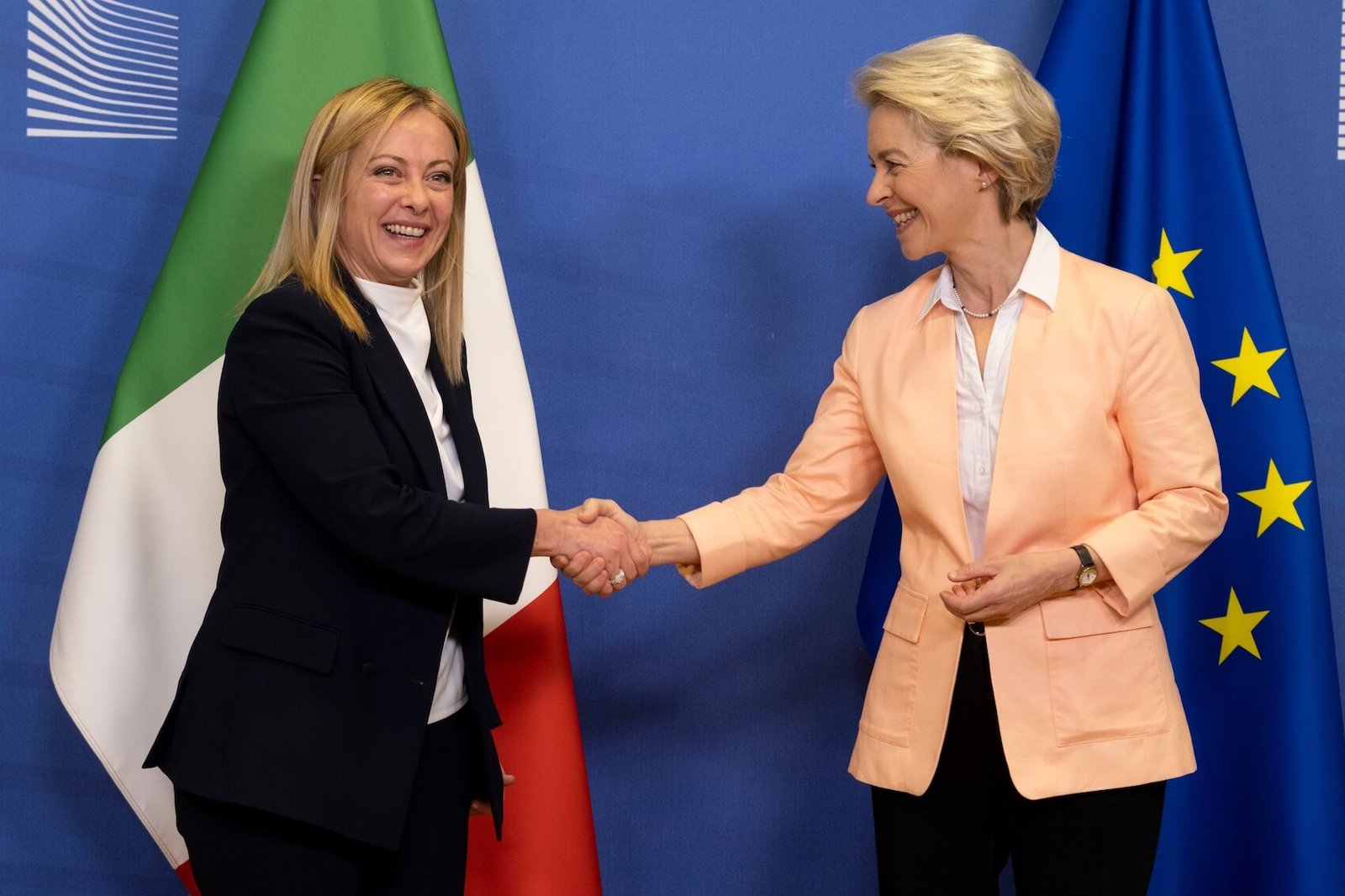
For over a decade, the prospect of a comprehensive Free Trade Agreement (FTA) between India and the European Union has been a tantalizing yet elusive goal for the global trade community. It has been a marathon of negotiations, marked by starts, stops, and complex geopolitical shifts. However, a recent exclusive report from Euronews, quoting EU Trade Commissioner Maroš Šefčovič, has sent a powerful signal through the industry: a breakthrough is not just possible, but “very close.”
Šefčovič’s description of the pact as the “mother of all deals” is more than just political rhetoric; it’s a reflection of the sheer scale and strategic importance of this agreement. An FTA between two of the world’s largest economic blocs would reshape global supply chains, unlock billions in trade, and create a powerful economic axis in an increasingly fragmented world. For Indian import-export professionals, this isn't just news—it's a seismic event that demands immediate attention and strategic planning. As your trade advisor and analyst, let's dissect the facts and, more importantly, the profound implications for your business.
A Factual Summary: What We Know So Far
The Euronews report, dated for a near-future release of January 26, 2026, centers on an interview with EU Executive Vice-President and Trade Commissioner Maroš Šefčovič. His optimistic tone suggests that the most significant hurdles in the 18-plus rounds of negotiations have been largely overcome. The core objective from the EU’s perspective, as highlighted in the summary, is to dismantle India’s historically high tariff walls, which have been a point of contention for European companies looking to access our vast consumer market.
While the full text of the agreement remains confidential until ratification, the key areas of negotiation have been widely reported over the years. Understanding these points of contention helps us anticipate the final shape of the deal:
- Market Access for Goods: The EU has consistently pushed for steep tariff reductions on automobiles, wines and spirits, machinery, and luxury goods. India, in turn, has sought greater access for its textiles, pharmaceuticals, agricultural products, and generic drugs.
- Services & Investment: A significant component for India is the liberalisation of services, particularly in the IT and professional services sectors (Mode 4), which involves easier movement of skilled professionals to the EU. The EU seeks stronger protections for its investments in India and access to sectors like finance and telecommunications.
- Non-Tariff Barriers (NTBs): The deal will heavily address NTBs. This includes aligning on standards, technical regulations, and sanitary and phytosanitary (SPS) measures. For Indian exporters, meeting stringent EU standards on sustainability, labour, and environment (like the Carbon Border Adjustment Mechanism or CBAM) has been a critical discussion point.
- Intellectual Property Rights (IPR): The EU has advocated for a robust IPR chapter that goes beyond the WTO’s TRIPS agreement, a sensitive topic for India's world-leading generic pharmaceutical industry.
- Government Procurement: Opening up government procurement contracts to foreign companies is a standard EU demand in FTAs, which would represent a major policy shift for India if included.
Šefčovič’s statement implies that compromises have been reached on these fronts, paving the way for a deal that could unlock an estimated €80-100 billion in bilateral trade within the next five to seven years.
Implications for Indian Import-Export Professionals
This is the crux of the matter for our community. An FTA of this magnitude is a double-edged sword, presenting immense opportunities alongside significant challenges. Businesses that prepare now will be the ones that thrive. Here’s a breakdown:
For Indian Exporters (to the EU)
- (+) Major Tariff Advantages: Sectors like textiles and apparel, leather goods, engineering goods, chemicals, and pharmaceuticals will see tariffs slashed, in some cases to zero. This will make Indian products significantly more price-competitive against rivals from countries like Vietnam and Bangladesh, which already have preferential access.
- (+) Services Sector Boom: If India has successfully negotiated favourable terms for services, our IT, BPO, and KPO industries could see a surge in contracts. Easier visa regulations for Indian professionals would be a game-changer, enabling smoother project execution and on-site support.
- (-) The Compliance Gauntlet: The biggest challenge will be meeting the EU's stringent regulatory standards. Exporters will need to invest in certifying their supply chains for sustainability (deforestation-free products), labour rights, and environmental impact (CBAM). This is no longer a 'good-to-have'; it will be a mandatory cost of doing business.
- (-) Stiff Competition on Quality: While tariffs may fall, competition based on quality, innovation, and branding will intensify. Indian firms must move up the value chain to compete effectively with established European and global players within the EU market.
For Indian Importers (from the EU)
- (+) Access to Cheaper Technology & Capital Goods: This is a massive boon for our manufacturing sector. Reduced import duties on high-tech European machinery, robotics, and green technology will lower capital expenditure, boost efficiency, and directly support the 'Make in India' initiative.
- (+) Diversified Supply Chains: For businesses reliant on imports, the FTA offers a robust, high-quality alternative to other markets, enhancing supply chain resilience. Sourcing critical components from the EU could become more economically viable.
- (-) Heightened Domestic Competition: Indian manufacturers in sectors like automobiles, dairy, processed foods, and high-end electronics will face intense competition from European giants. Domestic players must innovate and improve efficiency to protect their market share. This is particularly sensitive for our agricultural sector.
- (-) Navigating Rules of Origin: To benefit from the preferential tariffs, importers must ensure their European suppliers provide the necessary 'Rules of Origin' documentation. Understanding and managing this compliance will be critical to actually realising the cost savings from the FTA.
Conclusion: A Call for Proactive Preparation
The pronouncement by Commissioner Šefčovič is a clear signal to move from a 'wait-and-see' approach to active preparation. The India-EU FTA will not be a rising tide that lifts all boats equally. It will be a powerful current that rewards the most agile, prepared, and compliant businesses.
For exporters, the time is now to conduct a thorough audit of your supply chain for compliance with EU Green Deal standards. For importers, it's time to model the impact of lower-cost European goods on your market and identify opportunities to upgrade your own technology by sourcing from the EU. For all, it is essential to start training your teams on the potential new customs procedures, documentation requirements, and a re-evaluation of HSN code classifications under the new tariff regime.
The “mother of all deals” is on the horizon. The question is no longer *if* it will impact your business, but *how* you will leverage it to your advantage. The winners of this new trade era will be decided in the preparation that happens today.
Source: Original